


Making the decision to stop drinking or using drugs is a significant moment, and it’s often followed by a practical question: where should withdrawal actually happen? For many Australians, “detox” conjures images of a hospital ward, but that’s only one part of the picture. Home-based detox, delivered with proper clinical support, is a legitimate and increasingly common option too.
If you or someone you love is weighing up hospital detox against home detox, this guide walks through what each option actually involves, so you can make an informed and confident decision, without fear or pressure.
Detoxification, often shortened to “detox,” is the process of allowing a drug or alcohol to clear from the body while managing the withdrawal symptoms that come with stopping or reducing use. It’s usually the first step in a longer recovery journey, not the end point. Depending on the substance and how long or heavily it’s been used, withdrawal can range from mild discomfort to something that needs close medical attention.
According to the Australian Institute of Health and Welfare (AIHW), withdrawal management (detoxification) includes medicated and non-medicated treatment in a residential or non-residential setting, to help manage, reduce or stop the use of a drug of concern and in 2023–24, 1 in 10 treatment episodes for a client’s own alcohol or drug use involved withdrawal management as the main treatment, most commonly for alcohol (AIHW, Alcohol and other drug treatment services in Australia 2023–24). This confirms what many clinicians already know: detox is delivered in a range of settings across Australia, not just hospitals.
Hospital or inpatient detox takes place in a hospital ward or dedicated withdrawal unit, with round-the-clock nursing and medical staff on hand.
Hospital detox is highly effective for the situations above, but it comes with practical considerations: waiting lists for a bed, time away from family and work, and an unfamiliar clinical environment. None of these are reasons to avoid hospital detox when it’s genuinely needed, but they explain why many people ask about alternatives.
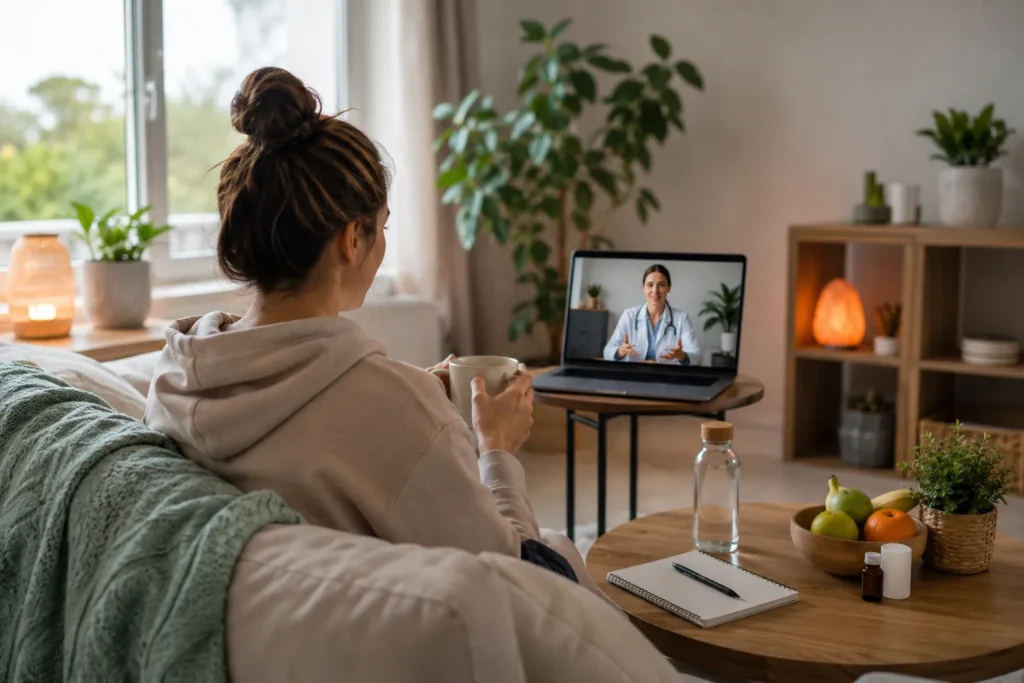
Home detox means going through the withdrawal process at home, under the guidance of a qualified clinical team who monitor progress, usually through a mix of in-person visits and remote check-ins, and adjust care as needed.
Reputable home detox providers, including Get Help Global, don’t simply leave a person to manage alone. A proper program involves a thorough clinical assessment beforehand, regular monitoring throughout, medication support where needed, and a clear plan for what happens if a higher level of care becomes necessary. This is a genuine clinical service, not a self-managed process
Protecting your health shouldn’t mean sacrificing your life’s work. Speak directly with a qualified intake coordinator about our private Sydney home programs.
Rather than viewing one option as universally “better,” the right choice depends on individual circumstances. Useful questions to work through with a health professional include:
A GP, addiction specialist, or a service like Get Help Global can help assess these factors properly. This isn’t a decision that needs to be made alone, and it isn’t one that should be based on guesswork.
“Detox means I’ve failed if I need a hospital.” Needing hospital-based care reflects the substance and level of risk involved, not personal failure. It’s simply the safest option for certain withdrawal profiles.
“Home detox is just quitting cold turkey by myself.” A properly run home detox program includes medical assessment, monitoring, and support throughout. It is not the same as stopping alone, which can be dangerous depending on the substance.
“Detox alone is enough to recover.” Detox addresses the physical withdrawal process, but lasting recovery usually involves ongoing counselling, therapy, and aftercare to address the underlying causes of substance use.
“I need to detox before I can ask for help.” It’s the opposite. The safer order is to ask for help first, so a professional can assess the safest way to withdraw, rather than attempting it beforehand.
Hospital detox and home detox both have an important place in Australia’s treatment landscape. The right choice comes down to the substance involved, the person’s health and home circumstances, and what level of support and monitoring is genuinely needed to withdraw safely. There is no shame in either path, and no single answer that suits everyone.
If you’re trying to work out whether home detox could be a safe and suitable option for you or someone you love, the team at Get Help Global is here to talk it through honestly, with a proper clinical assessment guiding the recommendation. We support people through medically guided detox, therapy, and aftercare in the comfort of their own home, helping them stay connected to family and daily life while they take this first step.
Contact Get Help Global today for a confidential conversation about at-home rehab support and treatment guidance tailored to your situation. For a free consultation contact our founder Ruben Mas direct on 0426794453.

Understanding Your Options in Australia Making the decision to stop drinking or using drugs is a significant moment, and it’s often followed by a practical question: where should withdrawal actually happen? For many Australians, “detox” conjures images of a hospital ward, but that’s only one part of the picture. Home-based detox, delivered with proper clinical…

Choosing the Right Setting for Recovery in Australia When someone decides to seek help for addiction, mental health struggles, or burnout, one of the first practical questions is: where will treatment actually happen? For a long time, “rehab” meant packing a bag and moving into a residential facility for weeks at a time. Today, Australians…

Alan Turvey Clinical Hypnotherapy Career Qualifications and credentials Expertise Results Learn more about Alan at Central Coast Hypnosis. Testimonials I had a bad habit of two to three glasses of wine each night for several years. Initially, I believe it was stress related from work pressure. Recently, I realised that stress no longer existed but…

Getting Help Without Losing Your Privacy Being a doctor means holding other people’s lives in your hands, often while quietly falling apart yourself. Long shifts, life-and-death decisions, and a professional culture that prizes resilience above almost everything else can make it incredibly hard to admit when you’re struggling with alcohol or drug use. Add to…

Why So Many Australian Legal Professionals Suffer in Silence Long hours. Constant deadlines. The weight of other people’s problems sitting on your shoulders every single day. It’s no secret that the legal profession is demanding — but what’s spoken about far less often is how many Australian lawyers turn to alcohol or other substances to…

Discreet Home-Based Addiction & Burnout Treatment for Professionals For high-performing executives, business owners, and professionals across Sydney, the pressure to maintain peak performance can be a double-edged sword. Often, the very traits that drive remarkable professional success—relentless work ethic, high stress tolerance, and an inability to say “no”—are the ones that mask severe burnout and…
Our Partners