
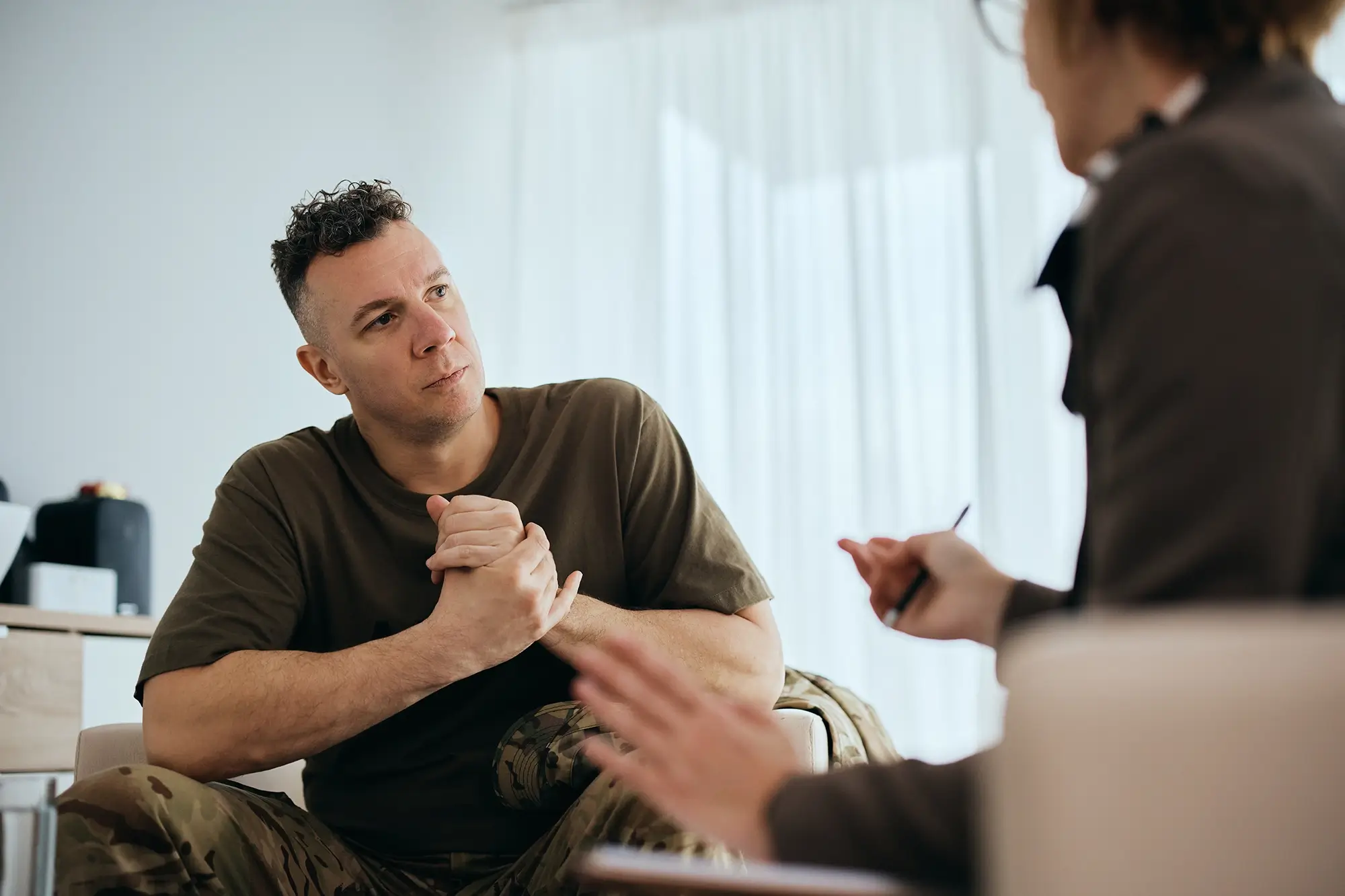
Addiction doesn’t just affect the individual – it quietly reshapes the emotional landscape of the entire relationship.
Everyday interactions can become tense, trust can falter, and even small disagreements may carry lingering anxiety. Well-intentioned attempts to protect or support a partner can sometimes backfire, creating emotional distance or frustration. Left unaddressed, these patterns can leave both partners feeling exhausted, disconnected, and unsure how to relate. While addressing addictive behaviours is essential, recovery is often strengthened when the relationship itself becomes a source of stability, safety, and shared support (American Society of Addiction Medicine [ASAM], 2019).
“Healing happens in the spaces couples share every day. Small moments at home-conversations, routines, gestures of care-are where trust and connection are rebuilt.”
Healthy partnerships are built on trust, emotional safety, and mutual respect. When these are present, partners can share feelings openly, navigate challenges without fear of escalation, and nurture each other’s growth (O’Farrell & Clements, 2012). Couples counselling provides a compassionate, structured space where these skills can be practiced and strengthened. Within this guided setting, entrenched patterns of tension can transform into moments of connection, empathy, and understanding.
Stress can subtly shape how partners respond to one another. Short-term coping strategies, like withdrawing, overcompensating, or avoiding conflict, may temporarily ease tension but often lead to emotional fatigue and relational distance (Orford et al., 2013). Partners may anticipate conflict or retreat emotionally, making intimacy and understanding more difficult.
Focusing solely on addictive behaviours does not automatically repair relational patterns. Couples counselling helps partners identify these cycles and adopt deliberate ways of relating that foster empathy, emotional support, and shared resilience (O’Farrell & Clements, 2012). Integrating these practices into the home environment allows couples to apply new skills in real-life contexts, making the changes more sustainable.
Trust is often one of the first areas disrupted by addiction. Rebuilding it requires more than reassurance – it develops gradually through consistent, dependable actions. Counselling supports couples in establishing routines, maintaining open communication, and sharing responsibilities. By practising these behaviours consistently, partners gradually feel more secure, confident, and emotionally supported. Over time, this builds a sense of reliability and safety that strengthens the bond (O’Farrell & Clements, 2012).
Without guidance, conversations may fall into repetitive patterns of tension or avoidance, leaving issues unresolved and resentment to build. Couples counselling provides tools to help partners:
When used consistently, these strategies can transform a relationship from a source of stress into a safe, supportive, and connected environment (Orford et al., 2013).
Addiction affects everyone in a relationship, not just the person directly experiencing it. Partners often carry stress, fatigue, and uncertainty while coping alone. Couples counselling recognises these challenges and provides strategies for both individuals to break unhelpful patterns. When these strategies are practiced in the home, they allow the couple to strengthen trust and emotional connection in the context of everyday life (ASAM, 2019).
Recovery involves more than reducing or stopping addictive behaviours-it also requires building healthier ways of relating. Couples counselling strengthens trust, encourages effective communication, and promotes relational safety. When the relationship itself becomes a supportive environment, it greatly enhances long-term recovery. With ongoing effort, partners can move beyond merely surviving to cultivate a resilient, connected, and thriving partnership-a relationship where both individuals feel understood, supported, and able to grow together (ASAM, 2019).
Orford, J., Velleman, R., Natera, G., Templeton, L., & Copello, A. (2013). Addiction in the family is a major but neglected contributor to the global burden of adult ill health. Social Science & Medicine, 78, 70–77. https://doi.org/10.1016/j.socscimed.2012.11.037
American Society of Addiction Medicine. (2019). Public policy statement: Definition of addiction.
Contact Get Help Global and start your recovery journey with compassion, structure, and proven support. For a free consultation contact our founder Ruben Mas direct on 0426794453.


Why So Many Australian Legal Professionals Suffer in Silence Long hours. Constant deadlines. The weight of other people’s problems sitting on your shoulders every single day. It’s no secret that the legal profession is demanding — but what’s spoken about far less often is how many Australian lawyers turn to alcohol or other substances to…

Discreet Home-Based Addiction & Burnout Treatment for Professionals For high-performing executives, business owners, and professionals across Sydney, the pressure to maintain peak performance can be a double-edged sword. Often, the very traits that drive remarkable professional success—relentless work ethic, high stress tolerance, and an inability to say “no”—are the ones that mask severe burnout and…
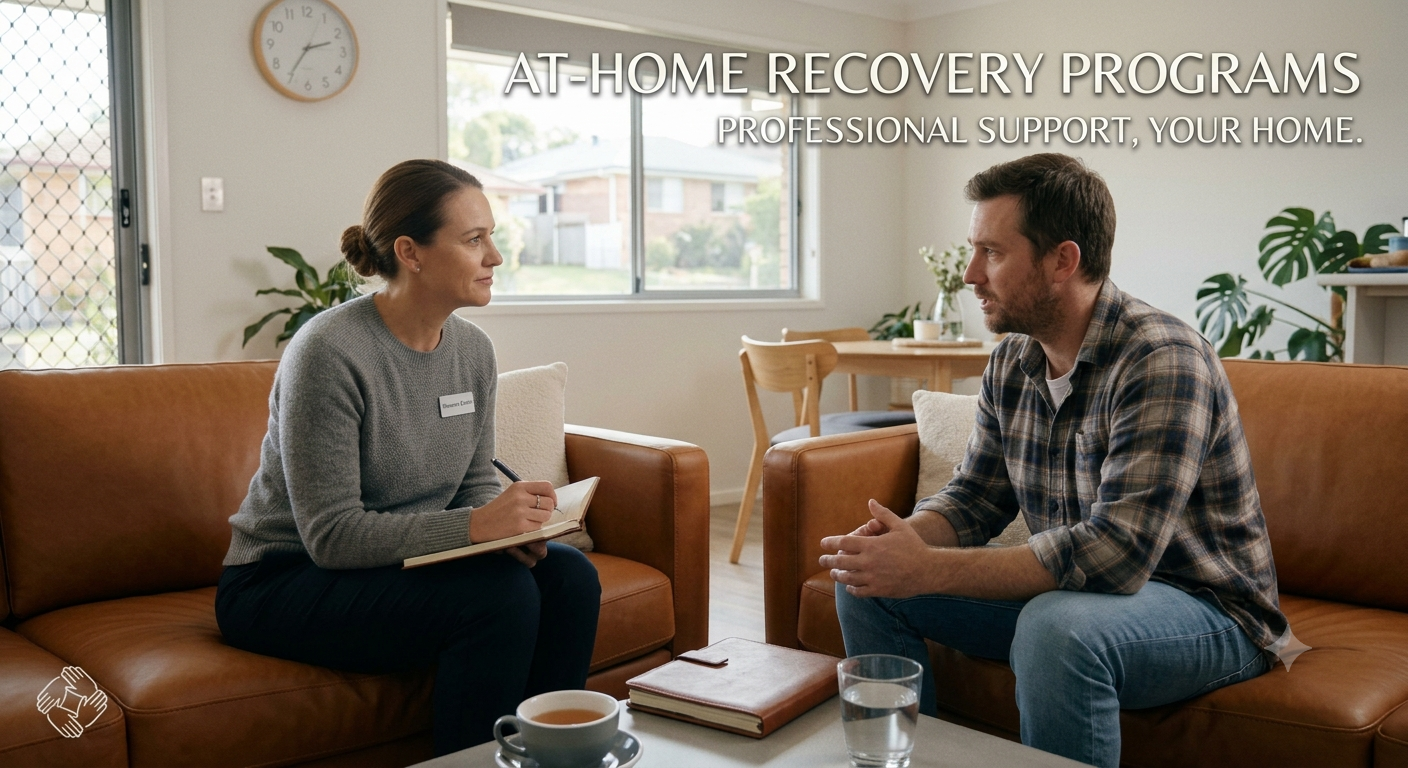
Reclaim your life with expert help from the comfort of your home When steps toward recovery feel incredibly heavy, the hardest part is often just getting through the front door of a clinic. For many people across Sydney, traditional residential rehab isn’t an option because of work commitments, family responsibilities, or a need for complete…

Learn how nutrition supports addiction recovery alongside counselling, emotional support, and our rehabilitation programs.
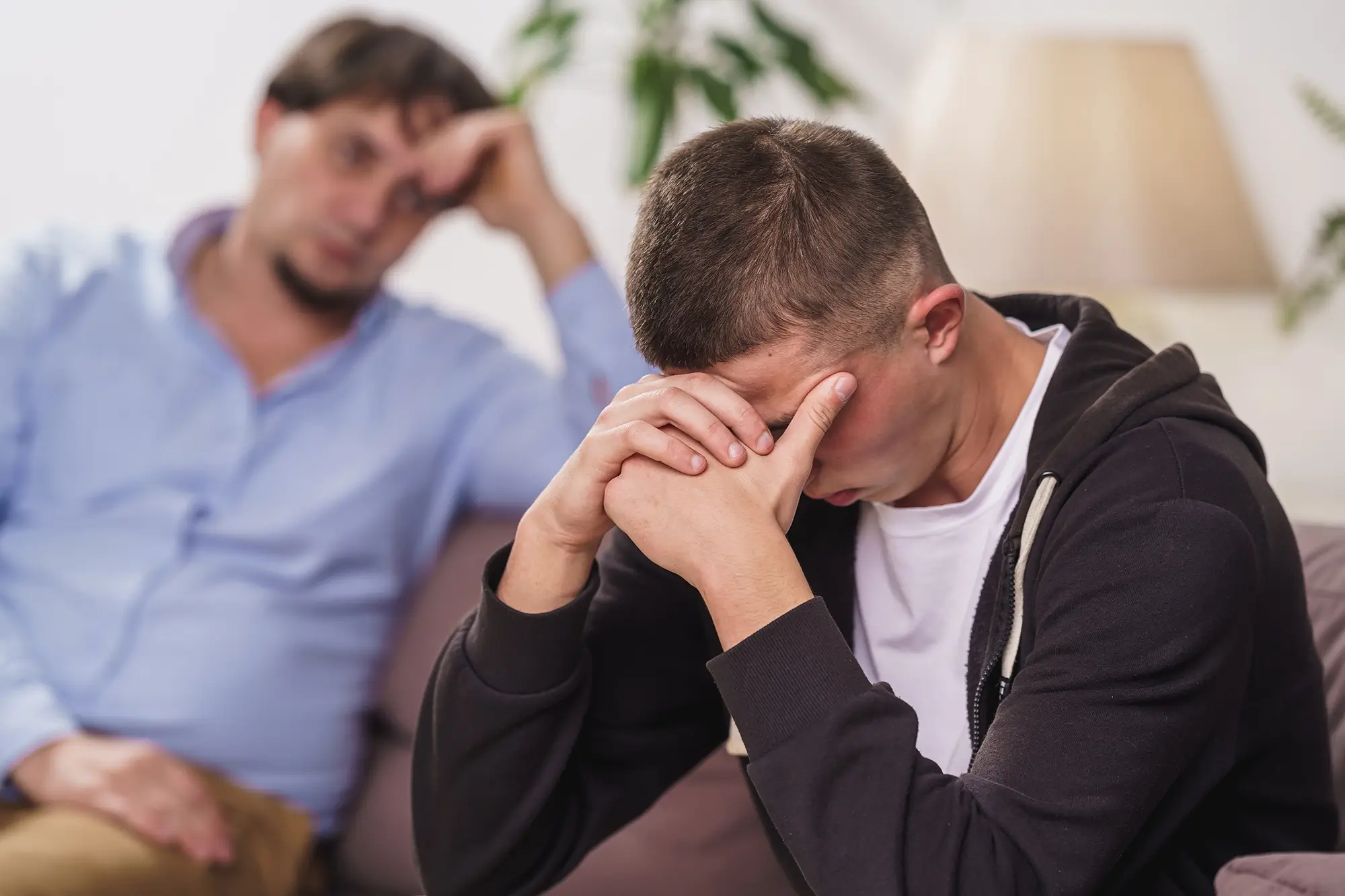
Learn how addiction impacts criminal charges, family law, and employment. Explore support options and start your recovery today.
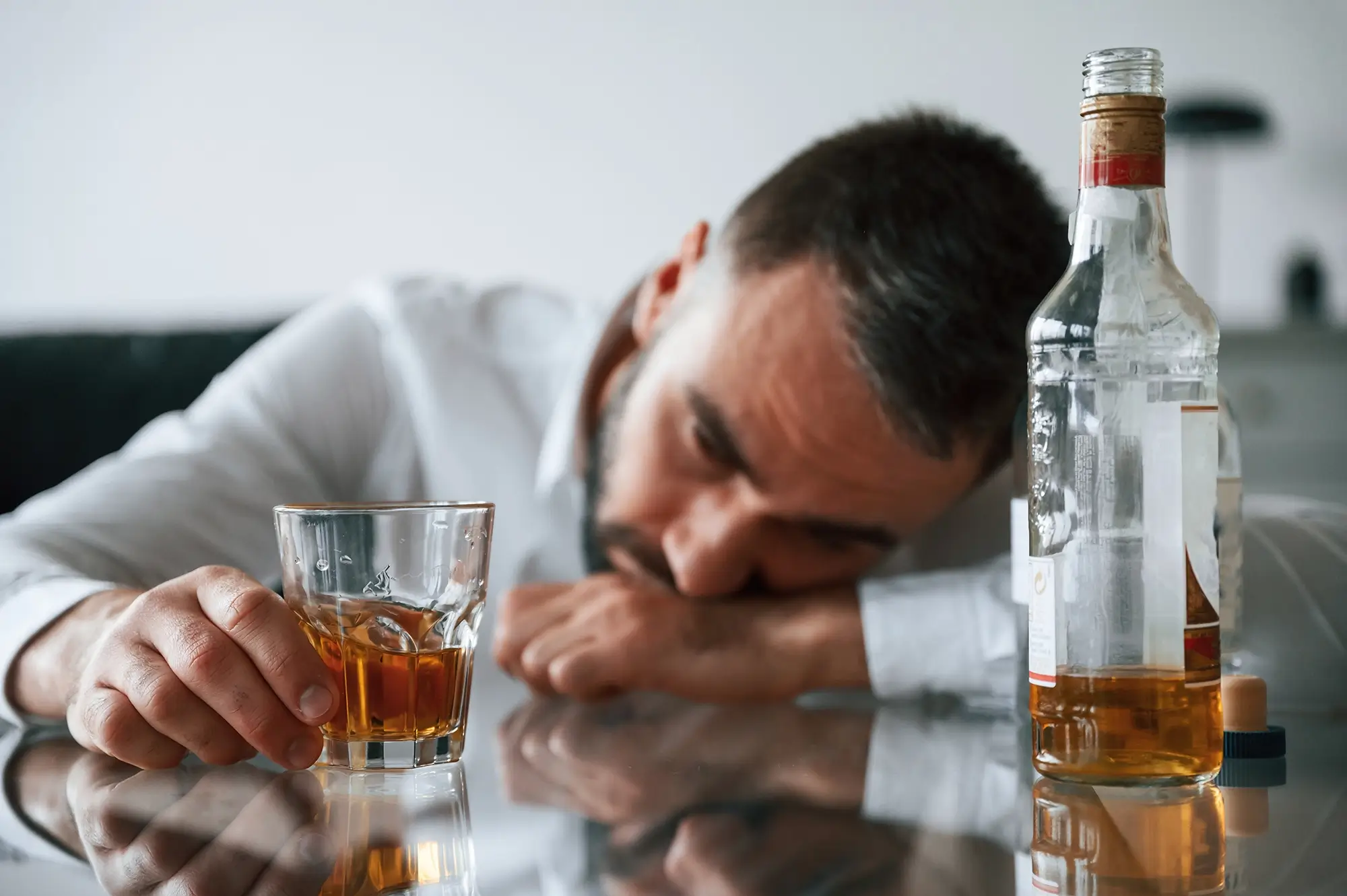
Choosing a path for alcohol addiction treatment Sydney usually happens at a crisis point. Get Help Global provides a clinical, high-end intervention and plan to recover, before the damage becomes irreversible.
Our Partners