


Addiction is often treated as an individual problem, but in reality it is deeply relational.
For many people struggling with substance use, their closest relationship (often their partner) becomes both one of the most impacted areas of life and one of the most important environments influencing recovery. While treatment frequently focuses on helping the individual stop using substances, long-term recovery is far more likely when the relationship itself is also supported and repaired.
Couples therapy provides a structured space where partners can begin to rebuild trust, improve communication and develop healthier ways of supporting each other through recovery. In my work as a couples therapist, one of the most common things I see is how deeply addiction reshapes the emotional patterns within a relationship.
“Addiction doesn’t just affect the individual, it changes the emotional system of the relationship. If those patterns aren’t addressed, they can continue to create stress that makes recovery much harder to sustain.”
Helping couples shift these patterns significantly strengthens the recovery process.
Substance use disorders often create cycles of secrecy, broken trust, emotional withdrawal and recurring conflict within relationships. Partners may begin to feel anxious, hyper-vigilant or controlling as they attempt to manage the unpredictability that addiction can bring. At the same time, the person struggling with substance use may experience shame, defensiveness or a tendency to withdraw emotionally.
Over time, couples can become stuck in patterns where both partners feel misunderstood, hurt and disconnected. These patterns do not automatically disappear when someone stops using substances. Without support, the emotional stress within the relationship can continue, and this is one of the most common triggers for relapse.
Another important factor often present in addiction recovery is attachment and emotional safety within relationships. Research has shown that insecure attachment styles and unresolved emotional trauma can increase vulnerability to substance use. Substances may become a way of regulating difficult emotions or coping with feelings of disconnection.
When recovery begins, these underlying emotional dynamics often surface. Couples therapy can help partners understand how attachment patterns influence their reactions to each other, particularly during periods of stress. When couples begin to develop greater emotional safety and responsiveness within the relationship, it can reduce the need to rely on substances as a coping mechanism. In this way, improving the relationship dynamic can support both emotional regulation and long-term recovery.
Research strongly supports the value of including partners in addiction treatment. One of the most well-studied approaches is Behavioural Couples Therapy (BCT) for substance use disorders. This model helps couples improve communication, reduce conflict and actively support sobriety together.
Studies have shown that couples participating in BCT demonstrate greater reductions in substance use, improved relationship satisfaction and lower relapse rates compared to individuals receiving treatment alone (O’Farrell & Clements, 2012).
Additional research has also found that individuals who experience supportive and stable intimate relationships are significantly more likely to maintain recovery over time (McCrady & Epstein, 2009).
In other words, when the relationship becomes a source of stability rather than stress, recovery becomes much more sustainable.
Couples therapy during addiction recovery focuses on helping partners understand the patterns that developed during active addiction and learning healthier ways of relating.
This often includes:
When these shifts begin to happen, the relationship itself becomes a powerful protective factor for recovery.
“Recovery becomes much more sustainable when the person doesn’t feel like they’re doing it alone. When a partner understands the process and becomes part of the support system, it creates a far stronger foundation for change.”
Modern addiction treatment increasingly recognises that recovery is heavily influenced by environment. Traditional rehabilitation models often remove individuals from their everyday lives for a period of time. While this can help stabilise early recovery, the real challenge often emerges when individuals return home and re-enter their normal environments and relationships.
At-home rehabilitation models like Get Help Global acknowledge that recovery is more sustainable when support occurs within the environments where people actually live and maintain relationships. When therapy happens within this real-world context, couples can begin to practice new communication patterns and support strategies in their everyday lives rather than trying to apply them later. This approach aligns closely with the philosophy behind at-home rehabilitation: recovery should be integrated into daily life rather than separated from it.
Recovery from addiction is rarely just about removing substances. It is about rebuilding a life that feels connected, stable and meaningful. For many people, their intimate relationship plays a central role in that process.
Couples therapy offers partners an opportunity to understand the impact addiction has had on their relationship, rebuild trust and develop healthier ways of supporting each other moving forward. When the relationship itself becomes a place of safety and connection, it can become one of the strongest foundations for lasting recovery.
National Institute on Drug Abuse (NIDA). Substance Use and Families.
Contact Get Help Global and start your recovery journey with compassion, structure, and proven support. For a free consultation contact our founder Ruben Mas direct on 0426794453.


Why So Many Australian Legal Professionals Suffer in Silence Long hours. Constant deadlines. The weight of other people’s problems sitting on your shoulders every single day. It’s no secret that the legal profession is demanding — but what’s spoken about far less often is how many Australian lawyers turn to alcohol or other substances to…

Discreet Home-Based Addiction & Burnout Treatment for Professionals For high-performing executives, business owners, and professionals across Sydney, the pressure to maintain peak performance can be a double-edged sword. Often, the very traits that drive remarkable professional success—relentless work ethic, high stress tolerance, and an inability to say “no”—are the ones that mask severe burnout and…
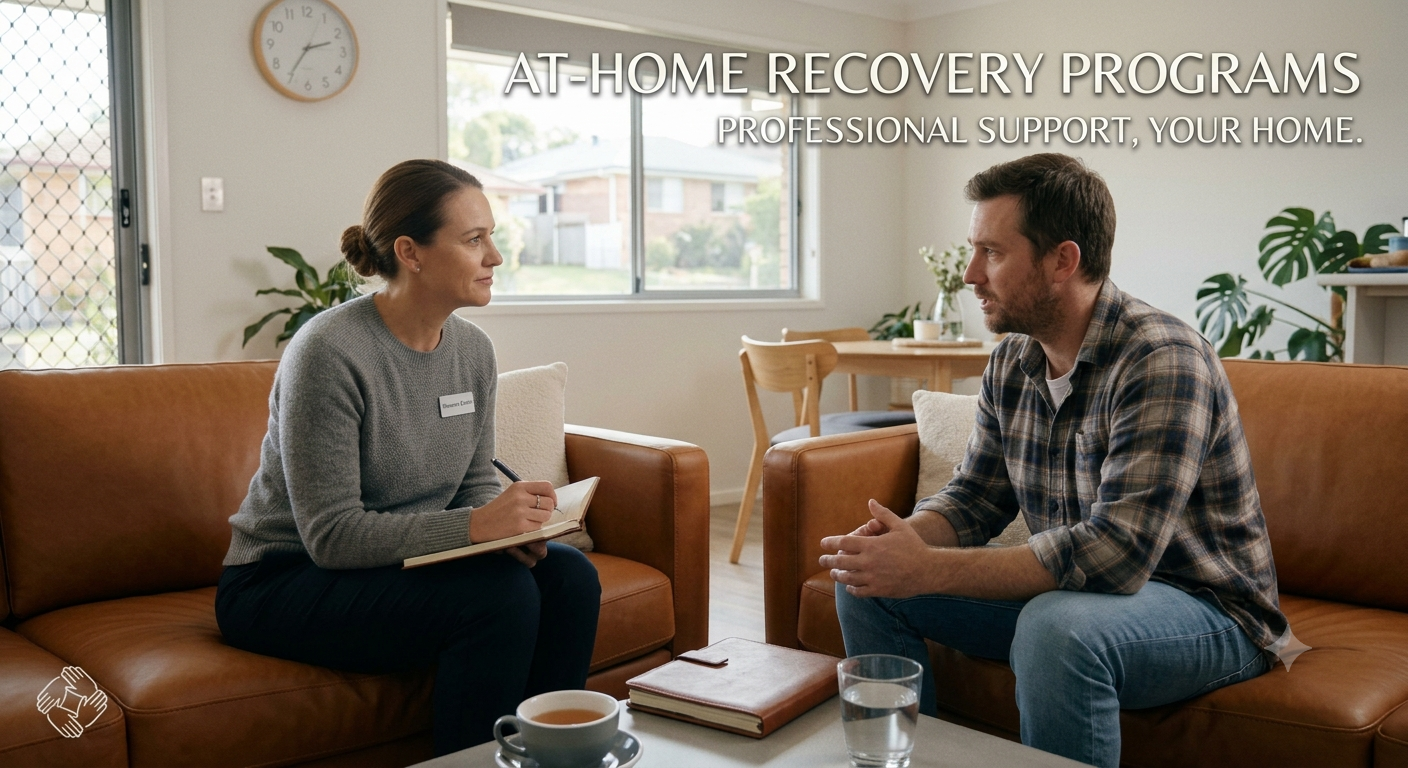
Reclaim your life with expert help from the comfort of your home When steps toward recovery feel incredibly heavy, the hardest part is often just getting through the front door of a clinic. For many people across Sydney, traditional residential rehab isn’t an option because of work commitments, family responsibilities, or a need for complete…

Learn how nutrition supports addiction recovery alongside counselling, emotional support, and our rehabilitation programs.

Learn how addiction impacts criminal charges, family law, and employment. Explore support options and start your recovery today.
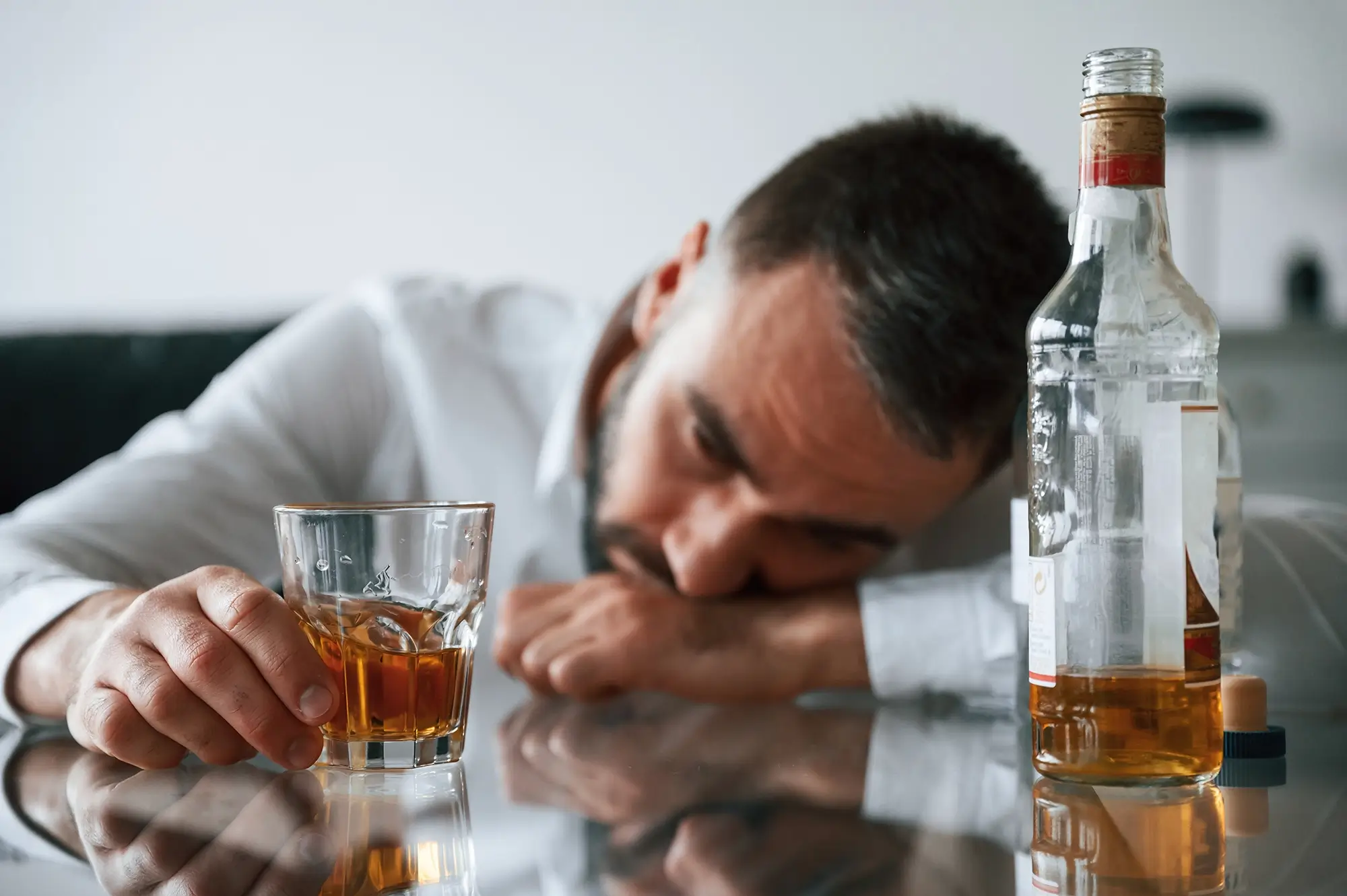
Choosing a path for alcohol addiction treatment Sydney usually happens at a crisis point. Get Help Global provides a clinical, high-end intervention and plan to recover, before the damage becomes irreversible.
Our Partners