

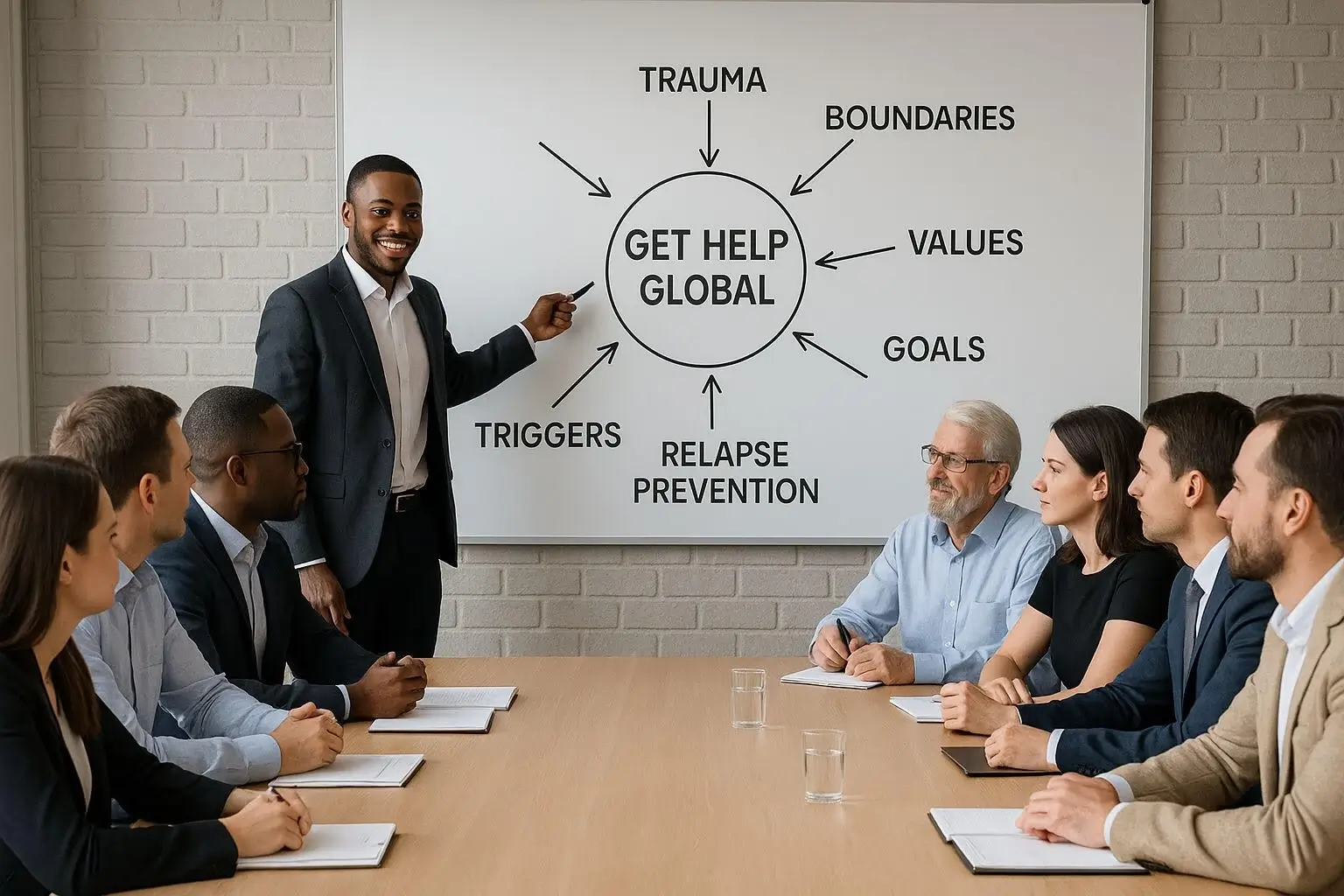
When it comes to overcoming addiction, one of the first big decisions is whether to choose outpatient rehab or at-home rehab. Both paths offer flexibility compared to residential stays, but they work in different ways and suit different people. Understanding the pros, cons, and key differences can help you or your loved one make an informed decision.
At Get Help Global, we’ve seen first-hand that recovery isn’t one-size-fits-all. The right choice depends on your lifestyle, support network, and personal readiness for change.
Outpatient rehab is a structured treatment program where clients attend a clinic or facility for scheduled sessions but return home afterward. It is designed for individuals who need professional therapy and group support but do not require 24/7 supervision.
Many people enter outpatient rehabs for drug addiction, alcohol misuse, or mental health support. Programs often involve visiting a centre several times a week for a few hours at a time to participate in medical check-ups, individual counselling, and peer groups.
At-home rehab (also known as mobile rehab) offers a more intensive, personalised, and private alternative. Instead of you travelling to a clinic, the professional support comes to you.
At Get Help Global, our at-home rehab programs cover drug addiction, alcohol addiction, gambling addiction, and trauma recovery. We bring a full multidisciplinary team, including psychologists, recovery coaches, and nutritionists, directly to your door. Giving you the tools and professional guidance you need without the commute or the clinical waiting room.

Outpatient Rehab Pros
- More affordable than inpatient residential programs
- Access to peer support groups and shared experiences
- Allows for continued work or study on a part-time basis
- Provides a structured break from the home environment during session times
At-Home Rehab Pros
- Greater privacy, comfort, and dignity in familiar surroundings
- Continue daily responsibilities like work, study, or parenting seamlessly
- Receive one-on-one professional support tailored specifically to your life
- Family involvement enhances accountability and emotional healing in the actual living space
- Builds long-term resilience by managing triggers in real-world settings as they happen
- No travel or long waitlists; support starts quickly and easily in your own home
- Discreet and confidential; ideal for professionals and those seeking total privacy
- Encourages a balanced lifestyle while maintaining clinical discipline
- Access to the same quality therapeutic care as traditional rehab, but delivered to you
“At-home rehab empowers people to recover without losing connection to real life; it’s about freedom, not confinement.”
Ruben Mas, Founder of Get Help Global
The biggest difference lies in the delivery of care and individualisation. Outpatient rehab requires you to fit into a clinic’s schedule and participate in group-focused care. At-home rehab fits into your schedule and focuses entirely on your specific environment and triggers. While outpatient suits those looking for peer connection in a clinical setting, at-home rehab suits those ready to rebuild independence with bespoke, one-on-one guidance.
“Recovery isn’t about where you are it’s about what you do every day to create change. At Get Help Global, we believe healing starts right where you are.”
Ruben Mas, Founder of Get Help Global
Outpatient rehab is best suited for:
At-home rehab is ideal for:

Choosing between outpatient and at-home rehab depends on your personal situation. Ask yourself:
If you’re unsure, the team at Get Help Global can guide you through your options and help you find the right fit. Explore our services or reach out directly through our contact page for a free, confidential consultation.
Both outpatient and at-home rehab can transform lives the key is finding what works for you. Recovery is not a destination but a journey, and whether you start from home or a facility, the most important step is the one you take today.
Take that step now.
Contact Get Help Global and start your recovery journey with compassion, structure, and proven support. For a free consultation contact our founder Ruben Mas direct on 0426794453.

Do you choose outpatient rehab or at-home rehab? Understand the pros, cons, and key differences to make an informed decision.

Seeking a detox or rehab program? Learn what to expect during medical detox and how Get Help Global’s mobile rehab provides the essential support for long-term recovery at home.
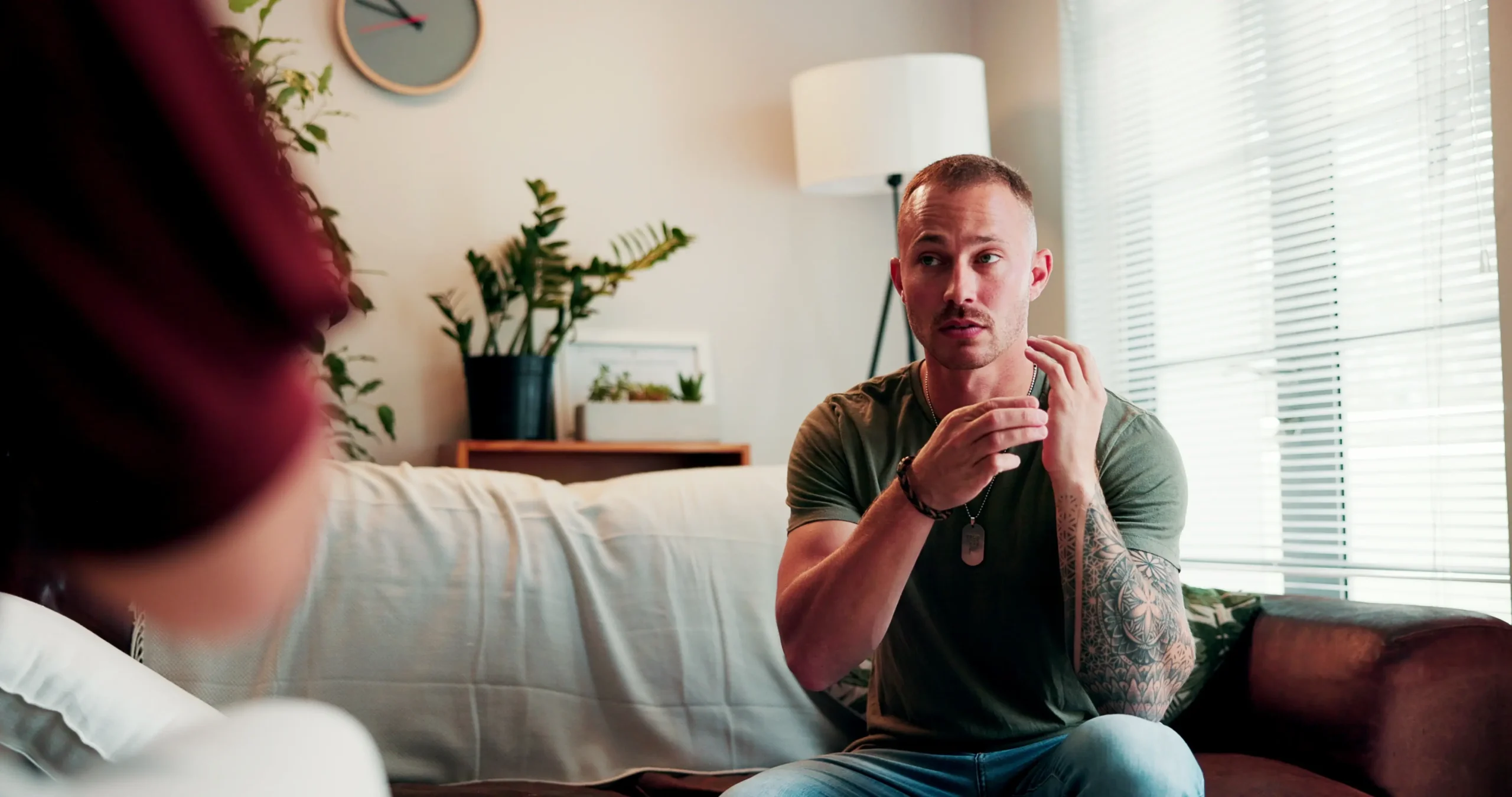
EFT “tapping” (tapping on acupressure points) is an emerging therapeutic approach designed to reduce emotional intensity and help the nervous system settle.
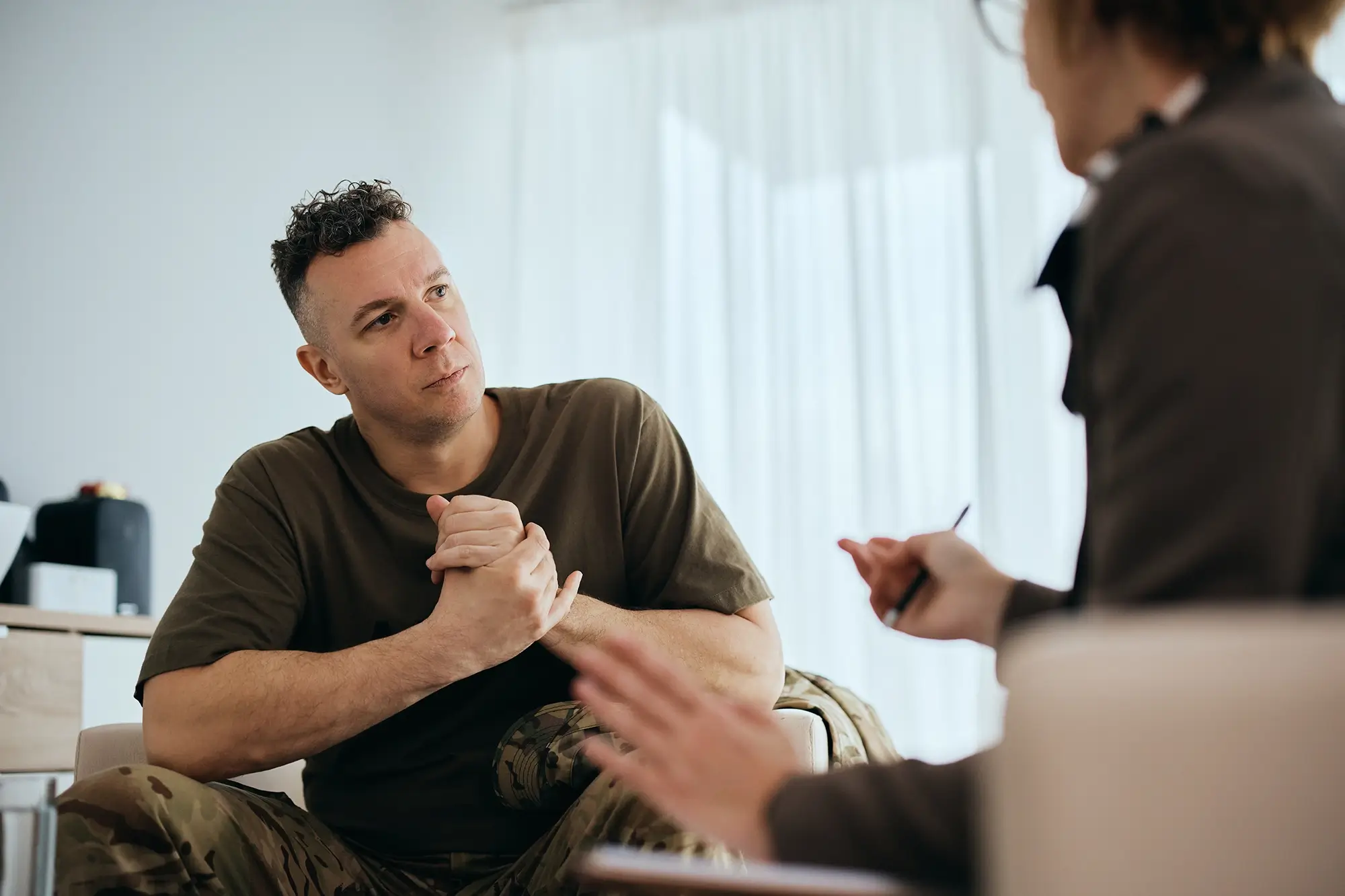
Recovery is often strengthened when the supporting relationships itself becomes a source of stability, safety, and shared support.
Recover your intimate relationships with addiction couples therapy. Rebuild a life that feels connected, stable and meaningful.

Re-imagine your life after addiction through clinical hypnotherapy. When a client comes in, they bring the solution to their problem with them.
Our Partners