


Being a doctor means holding other people’s lives in your hands, often while quietly falling apart yourself. Long shifts, life-and-death decisions, and a professional culture that prizes resilience above almost everything else can make it incredibly hard to admit when you’re struggling with alcohol or drug use. Add to that genuine fears about registration, reputation, and mandatory reporting requirements, and it’s easy to see why so many doctors delay getting help for years.
If you’re a doctor worried about your own substance use, or a colleague, partner, or family member concerned about someone in the profession, this article is here to explain what confidential treatment actually looks like in Australia — and to reassure you that seeking help is a responsible, protective step, not a career-ending one.
Medicine attracts people who are conscientious, high-achieving, and used to holding things together under pressure. Unfortunately, those same traits can make it harder to notice — or admit — that something isn’t right.
Several factors contribute to higher rates of substance use and psychological distress among doctors compared to the general population, including long working hours, high-stress environments, poor work-life balance, and difficulty transitioning from the role of carer to patient. Certain groups face even greater risk, including younger doctors, female doctors, overseas-trained doctors, and those working in rural or remote areas.
Some specialties carry particular risk due to workplace access and pressure. A recent national study looking at health-related notifications made to the Australian Health Practitioner Regulation Agency (AHPRA) between 2012 and 2022 found that anaesthetists had a notably higher rate of substance use notifications compared with physicians in internal medicine, and psychiatrists had a higher overall rate of health impairment notifications. The same study found that, over that ten-year period, around 1.1% of all doctors registered to practise in Australia had at least one health impairment notification recorded against them — a reminder that while this issue affects a relatively small proportion of the profession, it is a real and ongoing concern, not a rare exception.

One of the biggest reasons doctors avoid seeking help is confusion or fear around AHPRA’s mandatory reporting laws. It’s worth understanding exactly what these laws do and don’t require, because the reality is less frightening than many doctors assume.
Under the National Law, a health practitioner only needs to be reported to AHPRA if their condition creates a genuine risk of substantial harm to the public — not simply because they have a substance use issue. Having a health condition, including a drug or alcohol problem, does not automatically mean a doctor is “impaired” in the legal sense. Most doctors who are unwell manage this safely, by seeking treatment, taking leave, or adjusting their practice, without ever triggering a report.
There’s a meaningful difference between a doctor who proactively engages a treating practitioner or confidential support service, and a situation where impairment has already led to a workplace incident. Notification obligations are also more limited for treating practitioners than for employers or colleagues who aren’t in a treating relationship — and in Western Australia, treating practitioners are exempt from mandatory reporting altogether. This is precisely why confidential, independent treatment pathways exist: they allow doctors to address a problem early, privately, and on their own terms, well before it reaches a point where regulatory involvement becomes necessary.
Protecting your health shouldn’t mean sacrificing your life’s work. Speak directly with a qualified intake coordinator about our private Sydney home programs.
Doctors have some specific needs that general addiction services don’t always account for — discretion, flexibility around registration requirements, and an understanding of the unique pressures of clinical work. A treatment pathway designed for doctors typically includes:
Confidential assessment. An initial, private conversation with a health professional to understand your situation and what kind of support would genuinely help — without judgement, and without assuming the worst.
Medically supervised detox, if needed. For some substances, particularly alcohol and certain medications, stopping abruptly without medical support can be dangerous. A supervised process simply means trained clinicians manage withdrawal safely, monitoring your physical health throughout.
Therapy tailored to high-functioning professionals. Approaches such as cognitive behavioural therapy (a practical talking therapy that helps identify and shift unhelpful thought patterns) are often effective for people used to intellectualising their problems rather than feeling them.
Flexible program structure. Outpatient counselling, day programs, or residential treatment can all be considered depending on your circumstances, workload, and the severity of the issue — not a one-size-fits-all prescription.
Long-term monitoring and aftercare. Many doctors benefit from an ongoing, structured support plan that may include regular check-ins, peer support, and case management — similar in spirit to state-based Doctors’ Health Programs, such as the Victorian Doctors’ Health Program, which offers confidential, AHPRA-independent support for doctors and medical students.
“If I ask for help, I’ll lose my registration.”
For most doctors, seeking voluntary, confidential treatment does not result in loss of registration. Regulatory action is generally reserved for situations where public safety is genuinely at risk and isn’t being appropriately managed.
“Everyone at my hospital will find out.”
Confidentiality is a foundational principle of professional treatment services. Reputable providers, including Get Help Today, structure their care specifically around discretion, understanding that privacy concerns are often the single biggest barrier stopping doctors from reaching out.
“I should be able to manage this myself.”
Many doctors feel they should be capable of solving their own health problems, given their training. But substance use difficulties respond to structured support and treatment in the same way as any other health condition — expertise in medicine doesn’t make someone immune, and it doesn’t mean they should navigate recovery alone.
“There’s no time for treatment given my workload.”
Flexible options exist precisely because full-time residential treatment isn’t realistic for everyone. A good service will work with you to find an approach that fits around your professional obligations, rather than demanding you choose between your career and your health.
Doctors are trained to care for everyone except themselves. But struggling with substance use doesn’t make you unfit to practise medicine — it makes you human, in a profession that places extraordinary demands on the people within it. Confidential, doctor-specific treatment pathways exist because services like Get Help Today understand exactly what’s at stake, both professionally and personally, when a doctor decides to ask for help.
Taking that first step doesn’t need to threaten your career. In many cases, it’s what protects it. If you’re a doctor, medical student, or someone who loves one, getting help today — quietly, safely, and on your own terms — is one of the most responsible decisions you can make.
Contact Get Help Global and start your drug rehab for Doctor recovery journey with compassion, structure, and proven support. For a free consultation contact our founder Ruben Mas direct on 0426794453.

Getting Help Without Losing Your Privacy Being a doctor means holding other people’s lives in your hands, often while quietly falling apart yourself. Long shifts, life-and-death decisions, and a professional culture that prizes resilience above almost everything else can make it incredibly hard to admit when you’re struggling with alcohol or drug use. Add to…

Why So Many Australian Legal Professionals Suffer in Silence Long hours. Constant deadlines. The weight of other people’s problems sitting on your shoulders every single day. It’s no secret that the legal profession is demanding — but what’s spoken about far less often is how many Australian lawyers turn to alcohol or other substances to…

Discreet Home-Based Addiction & Burnout Treatment for Professionals For high-performing executives, business owners, and professionals across Sydney, the pressure to maintain peak performance can be a double-edged sword. Often, the very traits that drive remarkable professional success—relentless work ethic, high stress tolerance, and an inability to say “no”—are the ones that mask severe burnout and…
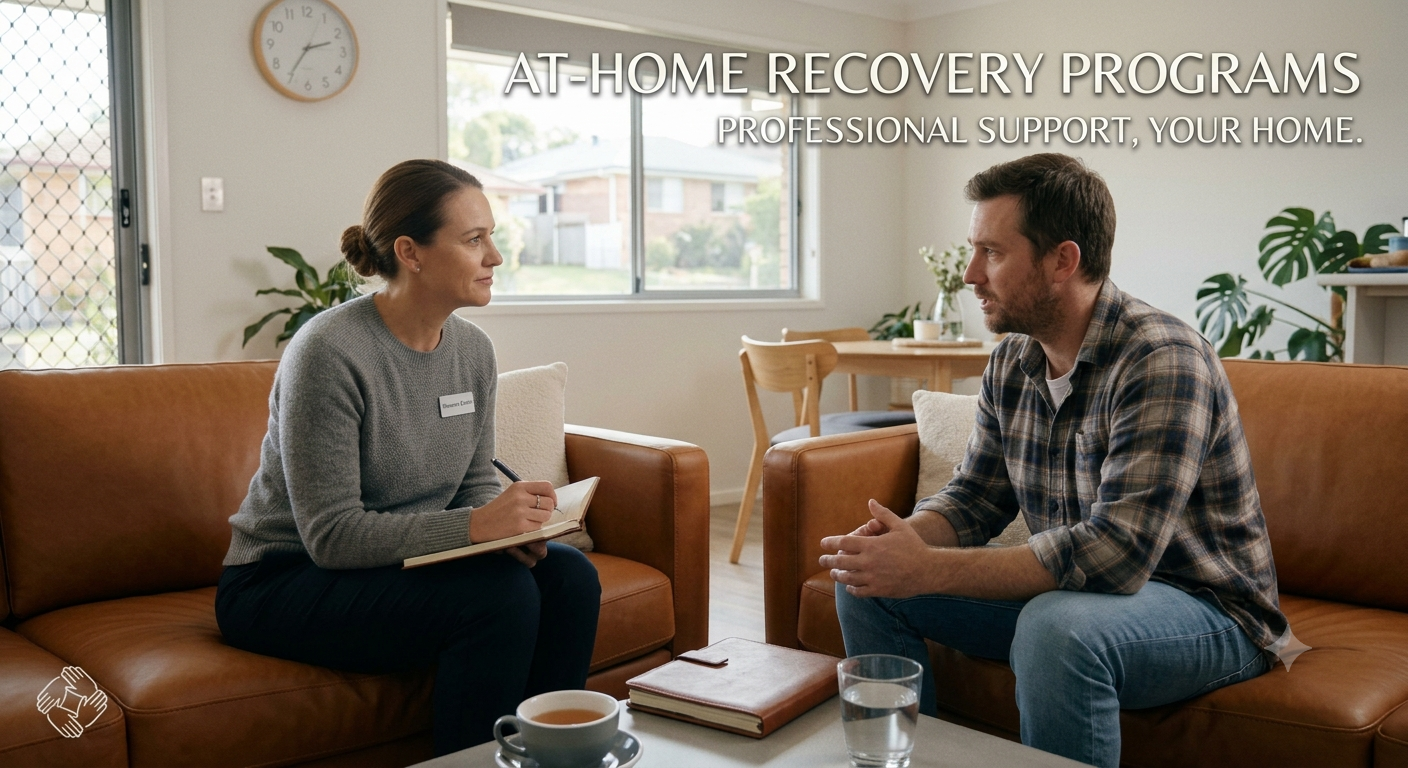
Reclaim your life with expert help from the comfort of your home When steps toward recovery feel incredibly heavy, the hardest part is often just getting through the front door of a clinic. For many people across Sydney, traditional residential rehab isn’t an option because of work commitments, family responsibilities, or a need for complete…

Learn how nutrition supports addiction recovery alongside counselling, emotional support, and our rehabilitation programs.

Learn how addiction impacts criminal charges, family law, and employment. Explore support options and start your recovery today.
Our Partners