


Supporting a loved one through alcohol addiction is one of the most emotionally challenging experiences a family can face. Addiction doesn’t only affect the individual; it also impacts communication, trust, finances, and the emotional wellbeing of everyone around them. While professional treatment is often essential, the first step usually begins at home with the steady support of family members who refuse to give up hope.
And when the holiday season arrives, everything becomes more intense. What should be a joyful time can instead feel overwhelming for those struggling with alcohol. Increased social events, stress, loneliness, and pressure to “join in” make this one of the most difficult times of the year for individuals battling addiction. For many families, this is the moment when alcohol-related struggles become impossible to ignore.
This article explores how families can compassionately encourage their loved ones to seek help especially during the holiday period, when support is needed most.
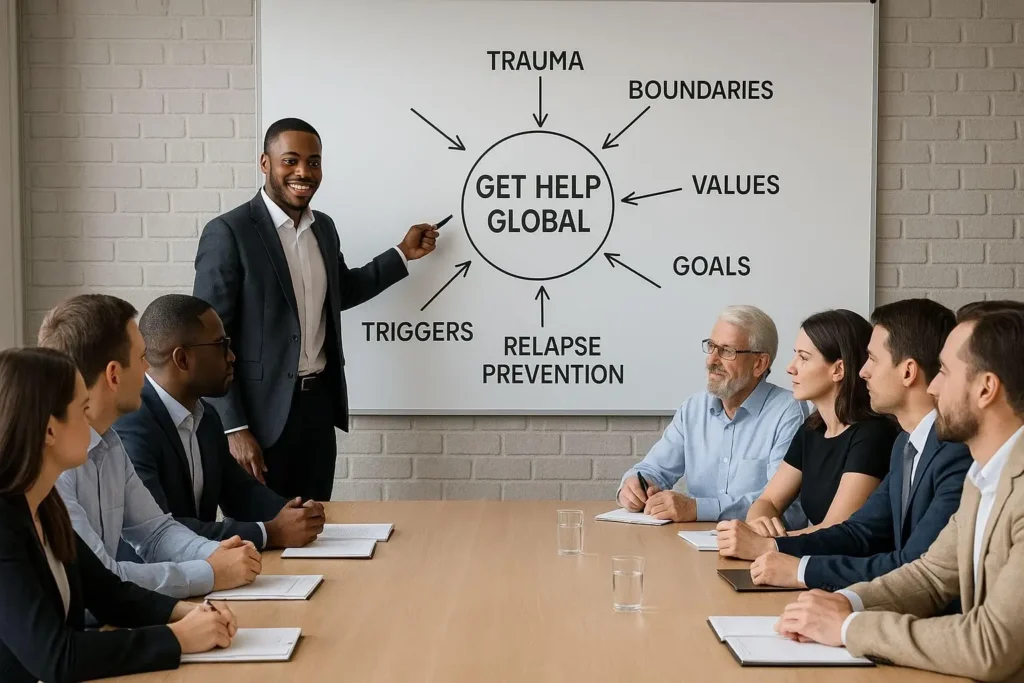
Understanding that alcohol addiction is a health condition, not a simple choice, is crucial. Loved ones are far more receptive when approached without judgment.
Use gentle, supportive language:
Shame shuts people down. Compassion opens doors.
Ruben Mas, Founder of Get Help Global, explains:
“Recovery starts the moment someone feels safe enough to tell the truth.”
Your role isn’t to diagnose or confront harshly it’s to create safety, honesty, and connection.
The holiday season amplifies emotional and environmental triggers. Families need to be aware of these pressures so they can respond with sensitivity.
It’s often during this period that unhealthy patterns become more visible making it a powerful time for families to step in with love and guidance.
You don’t have to fix everything. Small, intentional changes help a loved one feel supported rather than judged.
Even small shifts can reduce triggers and lower shame.
The conversation about seeking treatment needs care. Avoid speaking during or immediately after drinking. Instead, choose a quiet, calm moment when your loved one is sober and more open.
Try:
“I love you. I can see you’re struggling, and I want us to look at some options that could really help you.”
Keep the tone supportive, not forceful.
Many people resist rehab because it feels intimidating or overwhelming. Families can help by breaking it down and presenting options without pressure.
You can explain that treatment may include:
Choice creates empowerment. Empowerment leads to action.
Ruben Mas reminds families:
“People don’t just need treatment they need to feel understood. That’s when real change becomes possible.”
Support doesn’t mean accepting harmful behaviour. Boundaries protect both the family and the loved one who is struggling.
Examples of healthy boundaries:
Boundaries aren’t punishment they’re clarity and safety.
Addiction recovery is a journey that strengthens with family involvement. Your continued support can make long-term sobriety far more achievable.
Ways to stay involved:
Recovery is not a one-time event it’s a continuous path. Families walking that path alongside their loved one make a tremendous difference.
As Ruben puts it:
“Recovery doesn’t happen in isolation. When families heal together, results last.”

Encouraging a loved one to seek alcohol rehab is not easy, especially during the emotionally charged holiday season. But with compassion, boundaries, and an understanding of seasonal triggers, families can be the spark that inspires hope, change, and healing.
You don’t have to do this alone. Help is available right now.
If someone you love is struggling with alcohol, don’t wait. Contact our Founder, Ruben Mas, for a free consultation on 0426 794 453, or reach out via our contact page to explore the best ways to support your loved one safely and effectively.
Our team provides confidential, compassionate, and flexible support including mobile rehab options that meet clients where they are.
You can help your loved one take the first brave step.
We’ll walk with them the rest of the way.
The growing pressure behind professional success and the psychological drivers behind white collar burnout explored.

Addiction is often framed as a visible crisis. In reality, it is quietly embedded within professional life across Australia.

Find out about Lilyfield rehabs like Foundation House, a residential rehab service supporting those experiencing substance use challenges.

Find out about Edgecliff rehabs like The Cabin Sydney is a well-known centre-based rehab that provides structured, immersive treatment.
Find out about Kogarah rehabs like St George Drug and Alcohol Service, supporting individuals across St George and Southern Sydney region.
Glebe House, a residential rehabilitation program that provides structured support for people recovering from drug and alcohol dependence.
Our Partners