

Private Ecstasy Addiction Rehab Program
Overcoming Ecstasy Addiction with Personalised, At-Home, Private Support

100% Confidentiality Guarantee

Mobile Services Nationwide

Early Release Super Available

No Waitlists
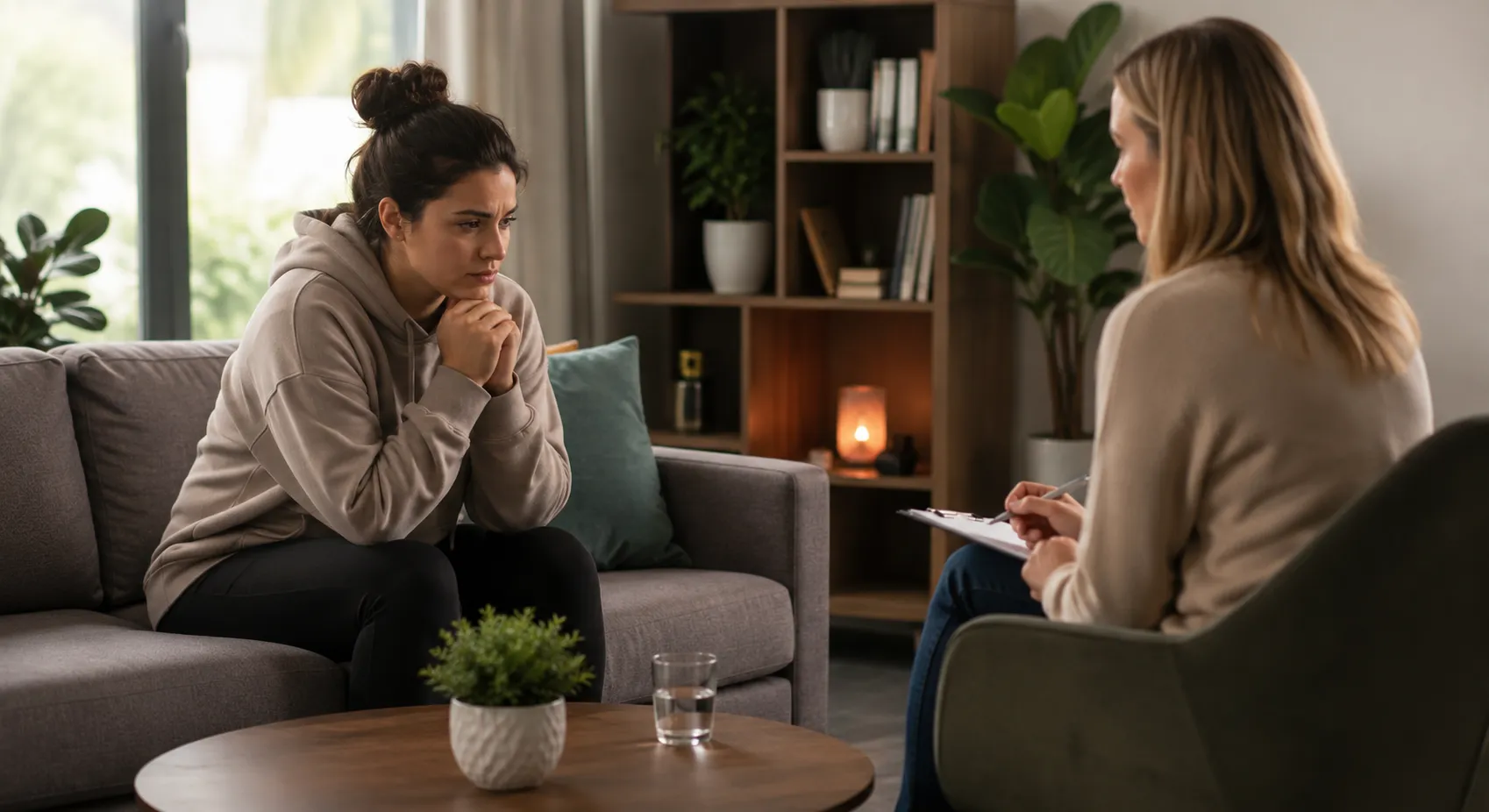
Ecstasy, also known as MDMA, is often linked to parties, festivals, and nightlife. While many people see it as a “social drug,” regular use can have a serious impact on mental health, physical wellbeing, relationships, and everyday life. Some people find themselves relying on ecstasy to feel confident, connected, or happy, making it difficult to stop without support.
At Get Help Global, we provide private at-home ecstasy rehab for Australians who want professional treatment without staying in a residential facility. Our programs combine medical guidance, counselling, and ongoing support, allowing you to recover in the comfort and privacy of your own home.
Founder of Get Help Global, Ruben Mas, puts it simply:
“Awareness is the first step. When families understand the signs, they can change the outcome.”
What Is Ecstasy Addiction?
Ecstasy (MDMA) affects chemicals in the brain that influence mood, energy, and emotions. Although it may not cause physical dependence in the same way as alcohol or opioids, repeated use can lead to psychological dependence and ongoing cravings. Regular users may develop tolerance, meaning they need larger or more frequent doses to achieve the same effects.
Many people continue using ecstasy because they fear the emotional “comedown” or struggle with anxiety, depression, or exhaustion after stopping.
Signs that ecstasy use may have become a problem include:
- Taking ecstasy more often than planned
- Needing larger doses to feel the same effects
- Spending weekends or social events focused on using
- Feeling anxious or low between uses
- Continuing to use despite problems at work, school, or home
- Neglecting responsibilities or relationships
- Mixing ecstasy with alcohol or other drugs
If these signs sound familiar, professional support can make recovery much easier.
Available across Sydney, nationally and internationally through our mobile model.
Common Effects of Long-Term Use
While occasional use carries risks, long-term or heavy use can lead to ongoing health concerns.
These may include:
- Anxiety
- Depression
- Memory problems
- Difficulty concentrating
- Sleep disturbances
- Mood swings
- Reduced motivation
- Relationship difficulties
- Financial stress
- Poor work or study performance
Some people also experience ongoing emotional changes that continue long after the drug has left their system. Australian health authorities also note increased risks of psychological distress and tolerance with frequent use.
Ecstasy Withdrawal
Stopping ecstasy after regular use can feel challenging, especially during the first several days.
Withdrawal symptoms commonly include:
- Fatigue
- Depression
- Anxiety
- Irritability
- Difficulty sleeping
- Poor concentration
- Loss of appetite
- Cravings
- Low motivation
- Body aches
The severity varies from person to person depending on how often ecstasy has been used, the amount taken, and whether other substances are involved. Symptoms are usually more psychological than physical and may last from several days to a few weeks.
How Private At-Home Ecstasy Rehab Works
Many Australians delay getting help for ecstasy addiction because they don’t want to enter a residential rehab or explain their situation to employers, friends, or family.
Our private at-home rehab allows you to receive treatment while remaining in your own environment.
Your personalised program may include:
- Comprehensive assessment
- Medical oversight where appropriate
- Individual counselling
- Addiction education
- Mental health support
- Relapse prevention planning
- Family support when suitable
- Ongoing recovery coaching
Every treatment plan is tailored to your individual circumstances, goals, and health needs.
Is At-Home Rehab Right for Everyone?
Private at-home rehab is suitable for many people, but not every situation.
It may be appropriate if you:
- Are motivated to stop using ecstasy
- Have a stable and safe home environment
- Can participate in scheduled appointments
- Do not require intensive hospital care
- Are willing to engage in counselling and recovery planning
If residential treatment would provide better support, we can help guide you towards the most suitable option.
Treating More Than Drug Use
Ecstasy use often develops alongside other challenges.
Many people also experience:
- Anxiety
- Depression
- Burnout
- Workplace stress
- Trauma
- Relationship problems
- Social isolation
Recovery is more successful when these underlying issues are addressed alongside substance use. Our clinicians work with clients to understand the reasons behind their ecstasy use while building healthier ways to manage stress, emotions, and life challenges.
Preventing Relapse
Recovery doesn’t end after withdrawal.
Learning how to manage everyday situations without returning to ecstasy is one of the most important parts of treatment.
Your relapse prevention plan may include:
- Identifying personal triggers
- Managing cravings
- Building healthy routines
- Developing coping skills
- Improving sleep habits
- Creating supportive relationships
- Planning for social events and celebrations
- Ongoing counselling and follow-up care
These practical strategies help strengthen long-term recovery. personal and financial costs.
Why Choose Get Help Global?
We are not a large clinic and we are not a rigid program. We are a private, mobile recovery service that meets you where you are, both physically and emotionally. You keep your privacy, your routines, and your dignity while receiving professional support that is as structured as an in-person program.
Many clients report better sleep, improved mood, and fewer cravings within the first two to three weeks. Recovery is different for everyone, so we celebrate small wins and build on them.
Frequently asked questions
Can I recover from ecstasy addiction at home?
Yes. Many people can successfully recover through a structured at-home rehabilitation program when they have appropriate medical guidance, counselling, and a safe home environment.
How long does ecstasy withdrawal last?
Most withdrawal symptoms begin within the first day after stopping and gradually improve over several days to a few weeks. Recovery varies depending on the individual’s pattern of use and overall health.
Is ecstasy withdrawal dangerous?
Ecstasy withdrawal is generally not considered life-threatening, but it can involve depression, anxiety, exhaustion, and strong cravings. Professional support can help manage symptoms and reduce the risk of relapse.
Can I continue working during at-home rehab?
Many people can continue working while completing private at-home rehab, depending on their individual circumstances and treatment plan.
Is it confidential?
Yes. Privacy and discretion are central to how we work. All contact is confidential and our team treats every client with respect and care.

Get help today
If you or someone you love is struggling with ecstasy addiction, you do not have to face it alone. Book a free confidential consultation. Together we can design a Ecstasy addiction rehab plan that fits your life and moves you toward a future you want to stay for.