
Overcoming Marijuana Addiction
Overcoming Cannabis Addiction with Personalised, At-Home, Private Support
Marijuana addiction can develop quietly. What may begin as occasional cannabis use can gradually turn into a dependency that affects motivation, relationships, mental health, and daily life.
Recovery is possible.
At Get Help Global, we provide private rehabilitation programs that help people overcome weed addiction through structured therapy, guidance, and accountability, all delivered in the comfort and privacy of your own environment.
“You don’t need to wait for rock bottom. The moment you realise something needs to change is the moment recovery can begin.”
Ruben Mas, Get Help Global Founder
What is Marijuana?
Marijuana, also known as cannabis or weed, is a psychoactive substance derived from the cannabis plant.
The primary compound responsible for its effects is THC (tetrahydrocannabinol), which interacts with the brain’s reward system and produces feelings of relaxation, calm, or mild euphoria.
While many people believe cannabis is harmless, regular use can gradually lead to psychological dependence. Over time, the brain begins to rely on cannabis to regulate mood, stress, sleep, or boredom.
Long-term marijuana use can affect:
- Memory and concentration
- Emotional regulation
- Sleep patterns
- Motivation and productivity
- Mental health stability
For some people, cannabis use slowly shifts from occasional enjoyment to something that feels difficult to stop.
How Cannabis Addiction Affects You
Cannabis addiction often develops gradually and can be difficult to recognise.
Many individuals continue functioning in daily life while becoming increasingly dependent on marijuana to relax, sleep, or cope with stress.
Common long-term effects of heavy cannabis use include:
- Reduced motivation and productivity
- Difficulty concentrating or remembering information
- Anxiety or mood swings
- Emotional numbness
- Social withdrawal
- Increased tolerance requiring stronger or more frequent use
“Addiction often begins as a coping strategy. Therapy helps people understand the emotional drivers behind substance use and develop healthier ways of managing stress.”
Carlos Camacho, Get Help Global Psychologist
Why Are You Really Using Cannabis?
For many people, marijuana addiction is not just about the substance itself. Cannabis often becomes a way of coping with something deeper.
Many individuals begin using weed to relax or unwind, but over time it can become a way to avoid difficult emotions or situations.
It can help to ask yourself some honest questions:
- Am I using cannabis to avoid stress or difficult feelings?
- Do I rely on weed to relax or sleep?
- Am I using marijuana to numb anxiety or racing thoughts?
- Do I reach for cannabis whenever I feel bored, lonely, or overwhelmed?
- Do I feel uncomfortable or restless when I’m not using it?
Cannabis can temporarily quiet anxiety or emotional discomfort. But when it becomes the main way someone deals with life’s pressures, it can slowly replace healthier coping strategies.
Over time, marijuana may begin to mask underlying challenges such as:
- Anxiety or chronic stress
- Burnout from work or responsibilities
- Emotional pain or trauma
- Loneliness or isolation
- Difficulty switching off mentally
Carlos Camacho explains
“Substances like cannabis often become emotional shortcuts. They numb discomfort in the moment but prevent people from learning healthier ways to process stress and anxiety.”
Recovery involves understanding what role cannabis has been playing in your life and developing healthier ways to manage those emotions.
Is Weed Addictive?
Yes. Marijuana can be addictive.
Medical professionals refer to this as Cannabis Use Disorder, a recognised condition where someone develops a dependency on cannabis and struggles to control their use.
Not everyone who uses marijuana becomes addicted, but regular use increases the risk.
Addiction develops when cannabis begins to affect:
- Work or study performance
- Mental health
- Relationships
- Daily responsibilities
Some people find they can no longer relax, sleep, or manage stress without cannabis.
This is often the point where rehabilitation support becomes helpful.
High Functioning Cannabis Addiction
Many people struggling with marijuana addiction continue to appear successful on the surface.
This is sometimes called high functioning addiction.
Someone may still maintain their career, relationships, or responsibilities while quietly relying on weed every day.
Signs of high functioning cannabis addiction may include:
- Using marijuana daily but hiding it from others
- Feeling unable to relax or switch off without cannabis
- Needing weed to sleep or manage stress
- Decreasing motivation or productivity
- Increasing tolerance over time
Because the addiction is less visible, it can continue for years without intervention.
However, the internal effects such as anxiety, emotional detachment, and reduced life satisfaction often grow over time.
Signs of Weed Addiction
Cannabis addiction can be subtle, particularly because marijuana use is widely normalised.
Common cannabis warning signs include:
- Using cannabis daily or multiple times per day
- Difficulty sleeping or relaxing without marijuana
- Spending significant time thinking about or obtaining weed
- Loss of motivation or declining performance at work or school
- Irritability or anxiety when not using
- Continuing to use despite negative consequences
If marijuana begins controlling routines, emotions, or relationships, professional addiction support may help.
Health Concerns With Marijuana Addiction
Although cannabis is often perceived as low risk, long-term heavy use can impact both mental and physical health.
Potential risks for weed use include:
- Anxiety disorders
- Depression or emotional instability
- Memory and cognitive impairment
- Reduced lung health from smoking
- Cannabis use disorder
- Dependence on THC for emotional regulation
Some individuals also develop amotivational syndrome, where ambition, focus, and engagement in life decline.
Cannabis Withdrawal Symptoms
Stopping marijuana after regular use can lead to withdrawal symptoms.
Common marijuana withdrawal experiences include:
- Irritability
- Restlessness
- Sleep disturbances
- Anxiety
- Mood swings
- Reduced appetite
- Cravings for cannabis
While cannabis withdrawal is usually not medically dangerous, the psychological discomfort can drive relapse without structured support.
With professional rehabilitation, these symptoms become manageable and temporary.
Cannabis Rehabilitation With Get Help Global
Our Cannabis Addiction Rehabilitation Program helps individuals break dependency and rebuild a healthier life.
The program combines:
- One-on-one therapy
- Psychological support
- Lifestyle, relationship and routine rebuilding
- Relapse prevention strategies
- Accountability and mentoring
All delivered through our private at-home rehabilitation model, allowing clients to recover while maintaining their daily responsibilities.
Why People Choose Our At-Home Rehab Model
Traditional inpatient rehab often requires people to step away from work, family, and everyday life.
Our model provides a more flexible alternative.
Key benefits include:
- At-home rehabilitation available globally, including regional areas
- Founder-led, personalised service from Ruben Mas
- Flexible recovery programs designed around real life
- Discreet and private support
What Does Cannabis Rehab Cost?
Private inpatient rehab programs commonly cost $15,000 to $20,000+ per week.
Our structured at-home rehabilitation programs typically start from $3,500 per week, making professional addiction recovery significantly more accessible.
We also operate differently from many programs in the healthcare space.
That means:
- No lock-in contracts in a healthcare industry where people are often locked into long programs
- Transparent pricing and expectations
- Flexible program structures based on individual needs
Superannuation Funding for Weed Addiction Recovery
In some situations, individuals may be able to access their superannuation early to fund addiction rehabilitation.
Our team can help guide clients through this process where appropriate, allowing people to prioritise recovery without immediate financial pressure.
Recovery is often one of the most important investments a person can make in their future.
Helping a Loved One With Marijuana Addiction
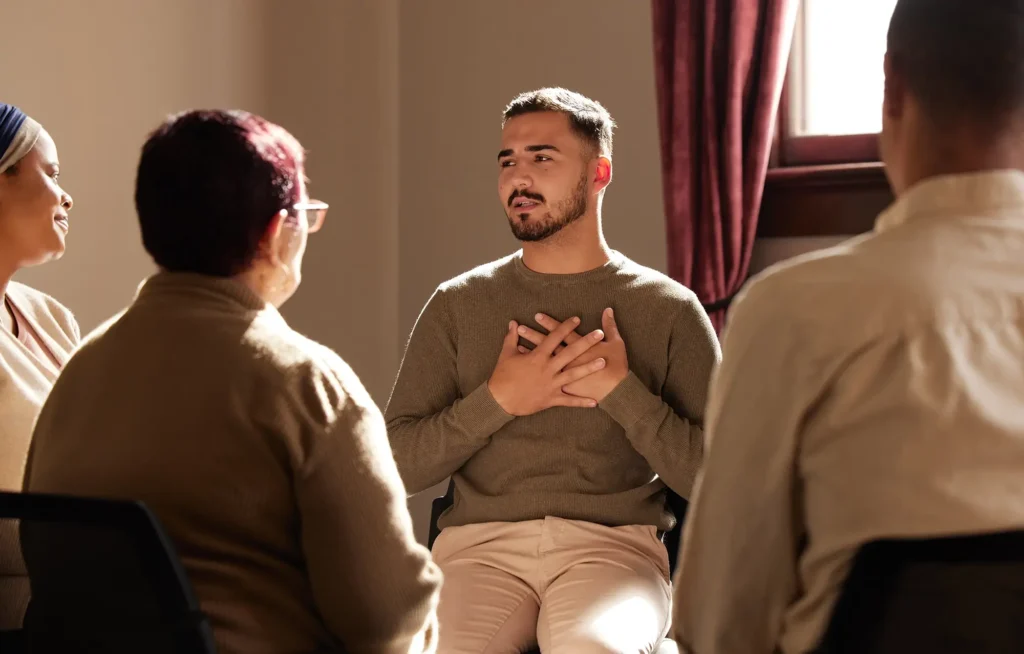
Cannabis addiction often affects families as much as the individual using the substance.
Family members frequently notice changes before the person struggling with addiction recognises the problem.
Signs a loved one may be struggling with weed include:
- Social withdrawal or emotional distance
- Increased secrecy around cannabis use
- Declining motivation or performance
- Mood swings or irritability
- Financial stress related to substance use
Watching someone you care about struggle with addiction can feel overwhelming.
You do not have to navigate it alone.
Addiction Interventions and Family Support
Sometimes the most effective step is having an honest conversation supported by professionals.
Our team provides guidance to families on:
- How to approach conversations about addiction
- When a professional intervention may be appropriate
- Supporting recovery without enabling addiction
- Setting healthy boundaries
Ruben Mas explains:
“Families often carry enormous emotional weight when someone they love is struggling. With the right guidance, they can become a powerful part of the recovery process.”
Early support can prevent addiction from becoming more severe.
Frequently asked questions
Do I need to enter a rehab facility?
Not necessarily. Our mobile model allows you to recover privately at home or in a chosen location. If a short inpatient detox is medically indicated, we coordinate that step and continue support before and after.
How long does the weed recovery program last?
Programs are tailored. Some people begin with a focused four-week block. Others choose a structured ten-week drug addiction recovery program, with step-down aftercare for stability.
Will I need to detox?
If detox is needed, our GP will create a safe plan. We provide preparation, practical support during that period, and close follow-up to reduce relapse risk.
What does a week actually involve?
Expect a mix of therapy, mentor support, movement or yoga, and guided daily practices. We also set achievable goals between sessions so progress continues outside appointments.
Is it confidential?
Yes. Privacy and discretion are central to how we work. All contact is confidential and our team treats every client with respect and care.
Get help today
If you or someone you love is struggling with marijuana addiction, you do not have to face it alone. Book a free confidential consultation. Together we can design a drug addiction recovery plan that fits your life and moves you toward a future you want to stay for.