

Private Alcohol Dependence Rehab Program
Overcoming Alcohol Dependence with Personalised, Private Support at Home

100% Confidentiality Guarantee

Mobile Services Nationwide

Early Release Super Available

No Waitlists

Alcohol dependence affects thousands of Australians, yet many families struggle to recognise the early warning signs until the situation becomes critical. The Australian Institute of Health and Welfare reports that alcohol contributes to more than 4,000 deaths and 70,000 hospitalisations annually in Australia (AIHW). Despite the severity, alcohol dependence develops gradually making early recognition essential.
This guide explores the signs of alcohol dependence, the development of alcohol dependence disorder, types of dependence, withdrawal symptoms, and available treatment options. Individuals and families seeking support can access flexible and discreet care through Get Help Global’s Alcohol Addiction Program.
Founder of Get Help Global, Ruben Mas, puts it simply:
“Awareness is the first step. When families understand the signs, they can change the outcome.”
What Is Alcohol Dependence?
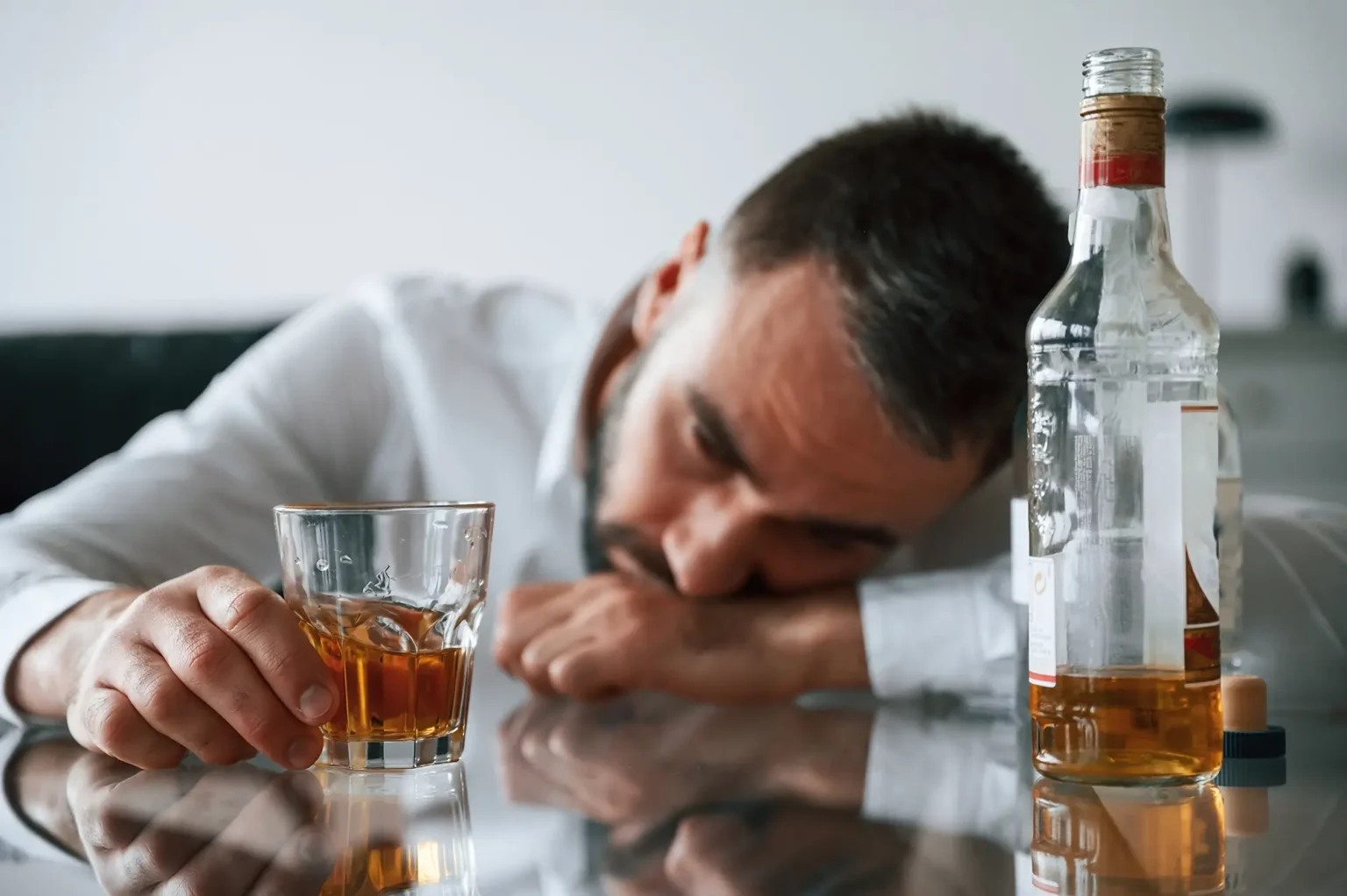
Alcohol dependence is a chronic medical condition in which the brain and body become reliant on alcohol to function normally. Over time, tolerance increases, withdrawal symptoms emerge, and drinking becomes a compulsive pattern.
HealthDirect defines alcohol dependence as a long-term pattern of problematic drinking that impacts health, relationships, and everyday functioning.
Families often confuse heavy drinking with dependence, but dependence includes physical, psychological, and behavioural elements that reshape daily life.
Alcohol Dependence Disorder
Core features include:
- Strong cravings
- Failed attempts to cut down
- Prioritising alcohol over responsibilities
- Withdrawal symptoms
- Drinking despite consequences
Available across Sydney, nationally and internationally through our mobile model.

Signs of Alcohol Dependence
Physical Signs
- Increased tolerance
- Shaking or tremors
- Poor sleep Nausea or sweating without drinking
- Frequent hangovers
Psychological Signs
- Strong cravings
- Anxiety or depression
- Mood swings
- Feeling “normal” only after the first drink
Behavioural Signs
- Lying or hiding alcohol use
- Risk-taking behaviour
- Failed attempts to quit
- Drinking despite consequences
Alcohol Dependence Withdrawal
TWithdrawal occurs when the body is deprived of alcohol after long-term use. Symptoms typically begin within hours of the last drink and may peak at 24–72 hours.
Medical support significantly improves safety during withdrawal.
Alcohol Dependence Treatment
Treatment should be tailored to the severity of alcohol dependence. Common approaches include:
- Medically supervised detox
- At-home detox and support
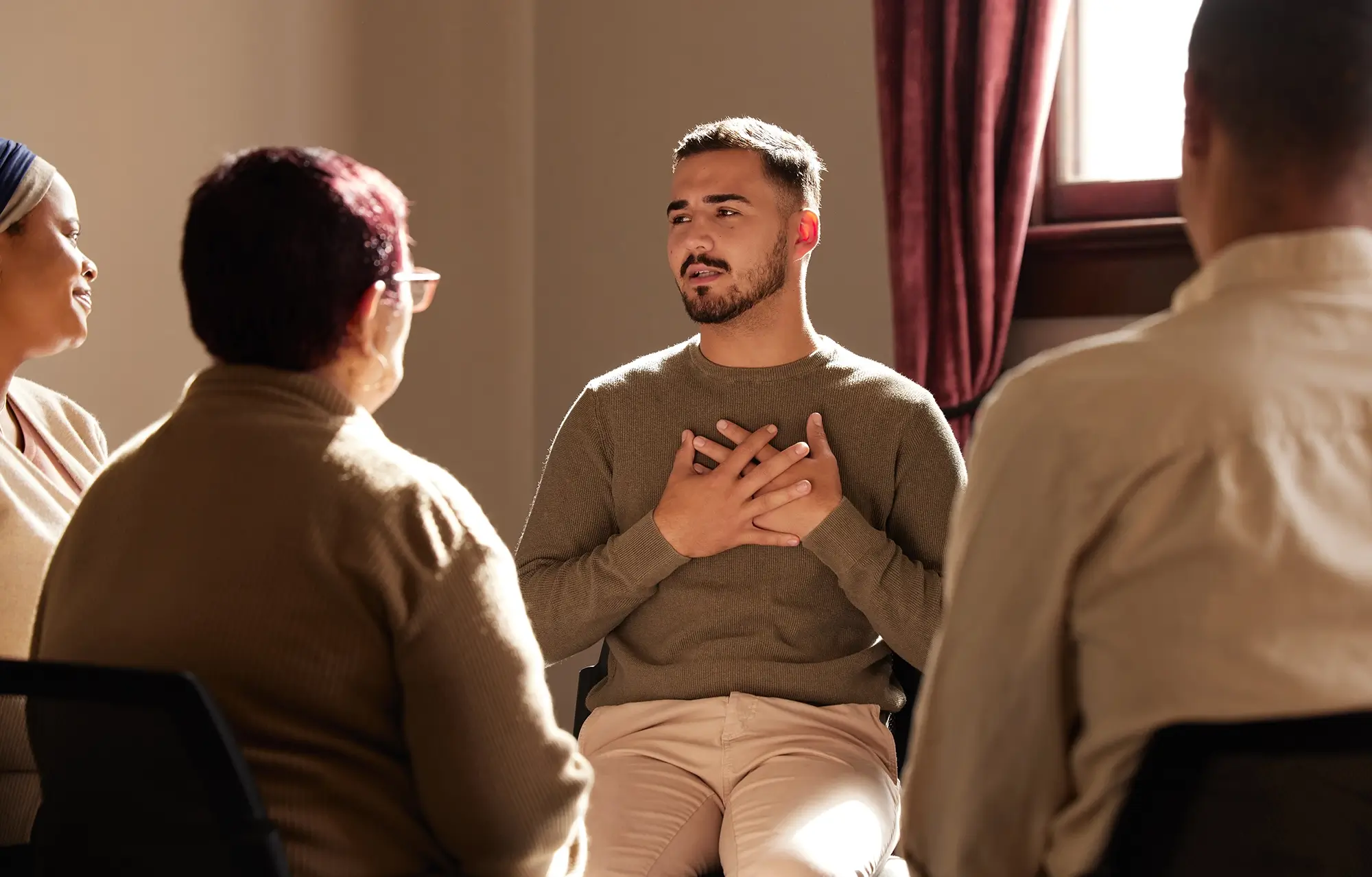
- Counselling and psychotherapy
- Behavioural interventions
- Medication-assisted therapy
- Structured rehab programs
For information about financial considerations, see: How Much Does Private Rehab Cost?
Alcohol Dependence Rehab Options
Get Help Global provides a range of rehab pathways designed for comfort, privacy, and accessibility.
At-Home Rehab
Personalised support delivered in the client’s home. Learn more about At-Home Rehab.
Specialised Alcohol Rehab Program
Structured, evidence-based treatment tailored to each individual. View our Alcohol Addiction Program.
Family-Focused Support
Guidance for families navigating recovery together.
Alcohol Dependence Medication
Medication may support withdrawal, reduce cravings, or assist long-term sobriety. Options may include:
- Acamprosate
- Disulfiram
- Naltrexone
Medication is most effective when combined with behavioural therapy and ongoing support.
Why choose Get Help Global
If you or someone you care about is experiencing signs of alcohol dependence, don’t wait for the situation to worsen. Help is available, confidential, and closer than you think. Your next step could save a life and transform a future.
Frequently asked questions
Do I need to enter a rehab facility?
Not necessarily. Our mobile model allows you to recover privately at home or in a chosen location. If a short inpatient detox is medically indicated, we coordinate that step and continue support before and after.
How long does the drug recovery program last?
Programs are tailored. Some people begin with a focused four-week block. Others choose a structured ten-week drug addiction recovery program, with step-down aftercare for stability.
Will I need to detox?
If detox is needed, our GP will create a safe plan. We provide preparation, practical support during that period, and close follow-up to reduce relapse risk.
What does a week actually involve?
Expect a mix of therapy, mentor support, movement or yoga, and guided daily practices. We also set achievable goals between sessions so progress continues outside appointments.
Is it confidential?
Yes. Privacy and discretion are central to how we work. All contact is confidential and our team treats every client with respect and care.

Get help today
If you or someone you love is struggling with alcohol addiction, you do not have to face it alone. Book a free confidential consultation. Together we can design a alcohol dependence recovery plan that fits your life and moves you toward a future you want to stay for.