

Recovery is rarely just about addiction.
Behind the substance or behaviour, there is often something deeper – anxiety that has been quietly building for years, trauma that was never fully processed, or a nervous system that has simply forgotten how to relax.
When someone begins the journey of recovery, they are not only changing habits. They are learning how to feel safe in their own body again.
As a meditation teacher, breathwork facilitator and life coach, I take great care in guiding individuals through practices that support deep healing and emotional resilience. When someone is navigating addiction recovery, PTSD or anxiety, their nervous system is often overwhelmed. Practices such as meditation, mindfulness and breathwork can gently help restore stability and inner awareness.
At Get Help Global, we integrate these evidence-based tools into a holistic approach that supports recovery from drug addiction, alcohol dependency, behavioural addictions, trauma, depression, anxiety and burnout.
In my experience working with individuals in recovery, one thing becomes very clear: lasting recovery is not only about removing harmful behaviours, it’s about building a calmer, more aware relationship with the mind and body.
For this reason, bringing elements of meditation and mindfulness into recovery can be profoundly supportive. These practices help people reconnect with themselves, regulate their emotions and develop the inner stability needed to sustain long-term change.
One of the hardest moments in addiction recovery is the split second between a trigger and the urge to act.
Meditation helps widen that space.
In the sessions I guide, clients learn to notice thoughts, cravings and emotions without immediately reacting to them. At first this pause might last only a few seconds, but over time it becomes a powerful moment of choice.
Research supports what many practitioners see in practice. Studies show that eight weeks of meditation can increase grey matter in the hippocampus, the brain region associated with memory and self-awareness (Hölzel et al., 2011). Even brief daily practice – around 13 minutes a day – has been shown to improve attention and cognitive function (Basso et al., 2019).
Mindfulness is sometimes mistaken for trying to “clear the mind”. In reality, it is something far gentler.
It is the practice of noticing what is happening inside – thoughts, emotions, sensations – and meeting that experience with awareness rather than judgement.
When clients realise that a wandering mind is not failure, but part of the training itself, something shifts. Each time attention returns to the present moment, the brain is strengthening focus and emotional stability (Siegel, 2007).
For many people living with trauma or PTSD, the nervous system remains on constant alert.
The body stays ready for danger, even when the danger has passed.
Through breathwork for PTSD, I guide clients through simple breathing techniques that calm the body and activate the nervous system’s natural relaxation response. As the breath slows and deepens, the body begins to receive a new message: you are safe now.
Often, that is where healing begins.
Addiction recovery meditation, breathwork and mindfulness are not quick fixes. But together they create something powerful.
They help people reconnect with themselves – with their breath, their body and their inner awareness.
From that place, recovery becomes more than simply stopping a harmful behaviour. It becomes the possibility of building a life that feels calmer, clearer and more whole.
Hölzel, B. et al. (2011). Mindfulness practice leads to increases in regional brain grey matter density.
Basso, J. et al. (2019). Brief meditation training improves attention and cognitive performance.
Siegel, D. (2007). The Mindful Brain.
Contact Get Help Global and start your recovery journey with compassion, structure, and proven support. For a free consultation contact our founder Ruben Mas direct on 0426794453.


Why So Many Australian Legal Professionals Suffer in Silence Long hours. Constant deadlines. The weight of other people’s problems sitting on your shoulders every single day. It’s no secret that the legal profession is demanding — but what’s spoken about far less often is how many Australian lawyers turn to alcohol or other substances to…

Discreet Home-Based Addiction & Burnout Treatment for Professionals For high-performing executives, business owners, and professionals across Sydney, the pressure to maintain peak performance can be a double-edged sword. Often, the very traits that drive remarkable professional success—relentless work ethic, high stress tolerance, and an inability to say “no”—are the ones that mask severe burnout and…
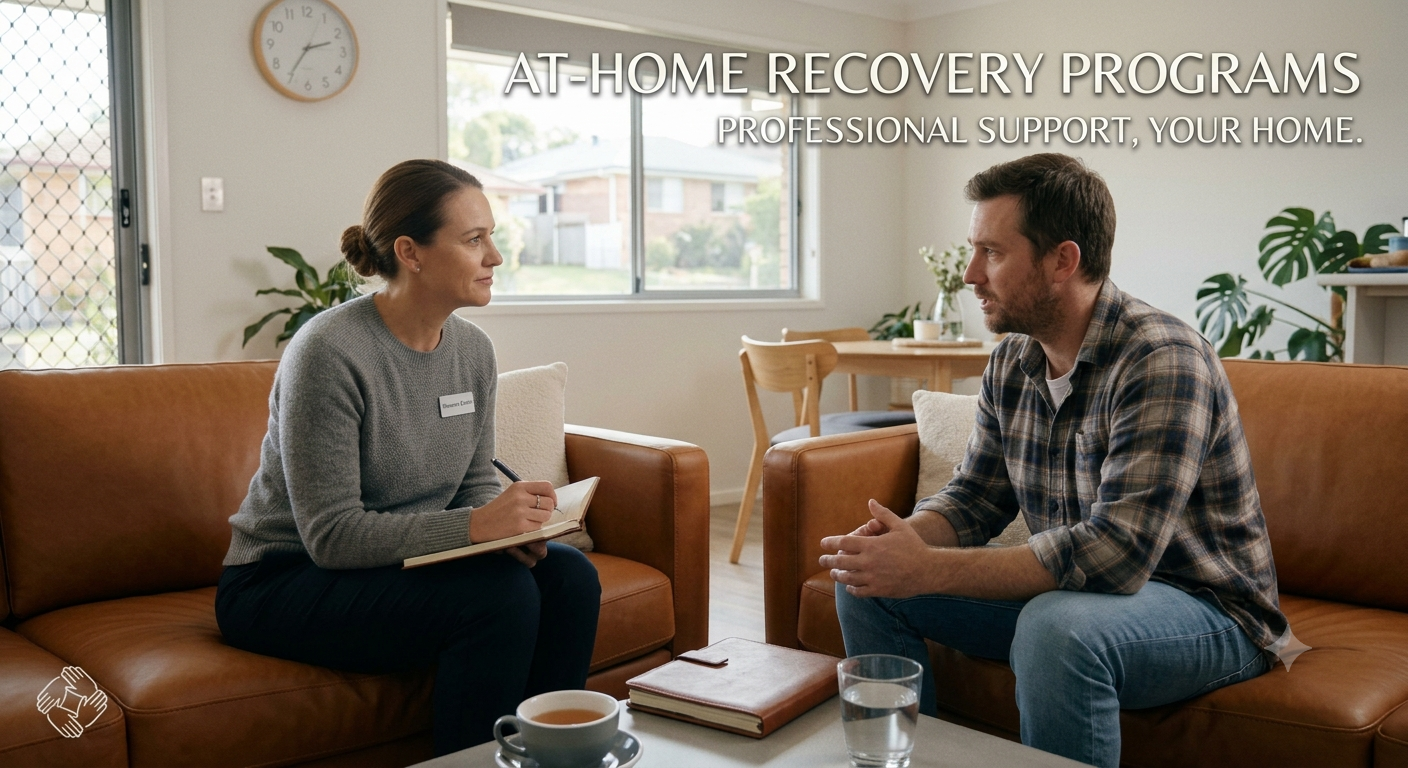
Reclaim your life with expert help from the comfort of your home When steps toward recovery feel incredibly heavy, the hardest part is often just getting through the front door of a clinic. For many people across Sydney, traditional residential rehab isn’t an option because of work commitments, family responsibilities, or a need for complete…

Learn how nutrition supports addiction recovery alongside counselling, emotional support, and our rehabilitation programs.

Learn how addiction impacts criminal charges, family law, and employment. Explore support options and start your recovery today.

Choosing a path for alcohol addiction treatment Sydney usually happens at a crisis point. Get Help Global provides a clinical, high-end intervention and plan to recover, before the damage becomes irreversible.
Our Partners