Addiction is often framed as a visible crisis involving unemployment, instability or public breakdown. In reality, it is quietly embedded within professional life across Australia.
High income earners and professionals are not immune. Certain sectors show elevated risk due to stress exposure, access to prescription medication and performance culture.
Modern professional environments increasingly reward endurance, productivity and constant availability. Many individuals deny or minimize addiction and help seeking occurs only when the immediate costs of addiction become untenable.
Safe Work Australia reports rising rates of work related mental health disorders, particularly among public administration and safety industry roles.
“In professional environments, substances often begin as performance tools. By the time they become dependency traps, careers are already intertwined with the behaviour.”
Public models assume visible dysfunction such as legal trouble, unemployment or family breakdown. Treatment often requires institutional attendance and extended time away from work.
Many could afford treatment at any stage. The barrier is not financial. It is identity.
Admitting the need for rehab can feel like professional defeat. For individuals whose credibility is their currency, public acknowledgement of addiction can appear career ending.
“Stigma remains the single biggest barrier preventing professionals from accessing early addiction treatment. It is not cost or availability. It is fear of judgement.”
The system was never designed with them in mind.
Modern rehabilitation evolved in response to visible public health crises such as heroin epidemics and alcohol related homelessness. Funding and structure prioritised acute collapse.
As a result:
Treatment is location based
Attendance is visible
Leave from work is expected
Disclosure is often unavoidable
For a surgeon, executive or business owner, these conditions create reputational risk.
Addiction does not need to be catastrophic to be clinically serious. Yet traditional systems equate visibility with severity.
Public Life and the Stigma Barrier
High profile admissions of addiction continue to challenge stereotypes. Public disclosures covered by Scripps News illustrate that addiction crosses every socioeconomic boundary.
Public life magnifies scrutiny.
Executives and healthcare leaders often fear reputational damage more than withdrawal symptoms.
“For many professionals, the fear is not detox. It is boardrooms. It is losing credibility.”
Sporting Professionals and Performance Based Addiction
Research consistently shows elevated rates of hazardous alcohol and drug use among elite athletes compared to the general population.
National Football League (NFL) found that 52% of athletes had used prescription opioids during their NFL career, and of those, 71% had used them for non pain purposes.
Sport Integrity Australia also recognises athletes who “cross the line” when doping, put their health, career and reputation at risk.
Athletes and executives share the same vulnerability. Their identity is tied to performance.
“Professionals do not need to lose everything to earn the right to recover. The idea that you must hit absolute collapse before receiving help is outdated and dangerous.”
Recovery is not a professional failure. It is often the foundation of sustainable leadership.
Get Help Today
Contact Get Help Global and start your recovery journey with compassion, structure, and proven support. For a free consultation contact our founder Ruben Mas direct on 0426794453.
Founder | Addiction & Wellbeing Consultant
From the depths of childhood loss, incarceration, and the brink of self-destruction, Ruben transformed his life to become a dedicated Drug and Alcohol Case Worker, now using his hard-won wisdom to guide others toward recovery and hope.
Why So Many Australian Legal Professionals Suffer in Silence Long hours. Constant deadlines. The weight of other people’s problems sitting on your shoulders every single day. It’s no secret that the legal profession is demanding — but what’s spoken about far less often is how many Australian lawyers turn to alcohol or other substances to…
Discreet Home-Based Addiction & Burnout Treatment for Professionals For high-performing executives, business owners, and professionals across Sydney, the pressure to maintain peak performance can be a double-edged sword. Often, the very traits that drive remarkable professional success—relentless work ethic, high stress tolerance, and an inability to say “no”—are the ones that mask severe burnout and…
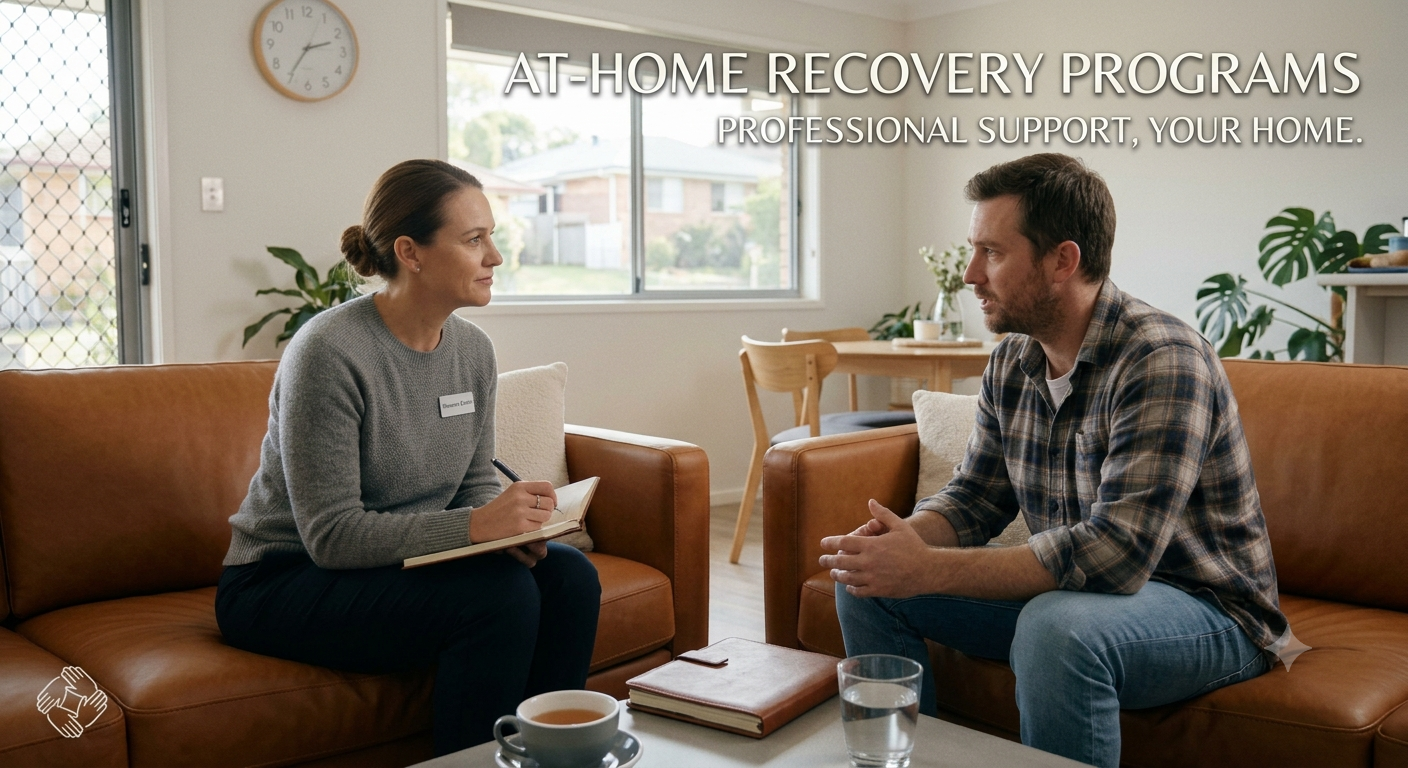
Reclaim your life with expert help from the comfort of your home When steps toward recovery feel incredibly heavy, the hardest part is often just getting through the front door of a clinic. For many people across Sydney, traditional residential rehab isn’t an option because of work commitments, family responsibilities, or a need for complete…
Choosing a path for alcohol addiction treatment Sydney usually happens at a crisis point. Get Help Global provides a clinical, high-end intervention and plan to recover, before the damage becomes irreversible.