


Relapse is one of the most misunderstood parts of recovery. Many people think of it as a failure, but in reality, it’s often a signal a warning sign that something important needs attention. At Get Help Global, we see a consistent pattern in the individuals we support. Most people don’t relapse because they “want to.” They relapse because small, preventable habits creep back in until they become overwhelming.
As Ruben Mas, Founder & Head Consultant of Get Help Global, often reminds clients:
“Recovery isn’t something you finish it’s something you maintain. The moment you stop working on yourself, old patterns start working on you.”
Below are the three most common reasons people relapse, why they happen, and what can be done to protect your recovery.
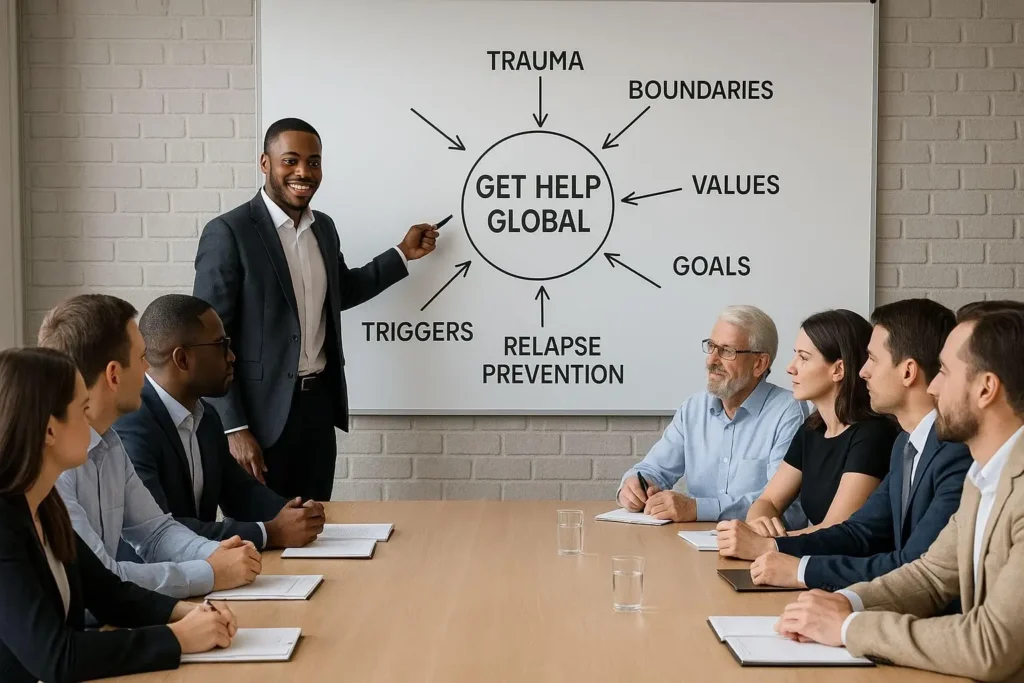
One of the biggest risks to long-term sobriety is feeling overly confident after completing a treatment program. Many people walk out of rehab feeling renewed, empowered, and certain they have all the tools they need. That confidence is positive but it becomes dangerous when it turns into complacency.
Completing a program is not the end of the journey; it’s the beginning of a new phase. Treatment provides structure, accountability, and support. When people finish, they often underestimate how much work is needed to maintain what they’ve learned.
Complacency looks like:
The truth is, recovery requires continuous effort. Healthy routines must be maintained long after treatment ends.
As Ruben Mas, Founder & Head Consultant of Get Help Global, says:
“Complacency is the silent killer of recovery. The moment someone believes they’ve ‘learned enough,’ they stop doing the very things that made them strong.”
Staying humble, staying teachable, and staying intentional is what prevents relapse not the length of the program you completed.
Another major relapse reason is losing connection with the people who keep you grounded counsellors, case workers, peer support, recovery groups, or even sober friends.
Addiction thrives in isolation, which is why connection is such a powerful part of recovery. Many people underestimate how much support they truly need until they begin drifting away from it. Life gets busy. Work ramps up. Social obligations pile on. Before long, the safety net that kept someone accountable slowly disappears.
Disconnection often looks like:
The danger here is that recovery becomes a solo battle, and few people can maintain long-term sobriety alone. Support networks are designed to catch warning signs early long before they turn into relapse.
As Ruben Mas, Founder & Head Consultant of Get Help Global, puts it so clearly:
“Recovery is a team sport. When people disconnect from their support network, they disconnect from their safety. No one stays sober alone.”
Regular check-ins, therapy sessions, peer-support groups, or maintaining relationships with people who genuinely understand recovery can make the difference between staying sober and slipping back into old habits.
Perhaps the most common and most dangerous reason people relapse is the belief that they can “handle” using drugs or alcohol again. This usually comes from a combination of time passing, life improving, and the illusion that their relationship with substances has changed.
Someone may think:
But addiction doesn’t disappear. It may be dormant, but it’s always waiting for an opportunity. For many people, even one moment of experimentation leads right back to old patterns faster than expected.
This belief often comes from forgetting how bad things truly were. Once life stabilizes, the memory of the lowest points becomes blurry, and the danger feels far away.
As Ruben Mas, Founder & Head Consultant of Get Help Global, explains:
“The idea that you can control your using again is one of the biggest traps in addiction. You don’t return to day one you return to where you left off.”
The brain doesn’t “reset” after sobriety. Attempting controlled use almost always leads to relapse and emotional devastation.

Relapse doesn’t happen because someone is weak it happens because old habits return, support fades, or the mind convinces them they can take risks they aren’t prepared for. By understanding these three main reasons complacency, disconnection, and believing they can use again people in recovery can better protect themselves and stay on the path they’ve worked so hard to build.
Recovery requires vigilance, connection, and humility. With the right support and awareness, relapse can be prevented, and long-term sobriety becomes not just possible but sustainable.
The growing pressure behind professional success and the psychological drivers behind white collar burnout explored.

Addiction is often framed as a visible crisis. In reality, it is quietly embedded within professional life across Australia.

Find out about Lilyfield rehabs like Foundation House, a residential rehab service supporting those experiencing substance use challenges.
Find out about Edgecliff rehabs like The Cabin Sydney is a well-known centre-based rehab that provides structured, immersive treatment.

Find out about Kogarah rehabs like St George Drug and Alcohol Service, supporting individuals across St George and Southern Sydney region.
Glebe House, a residential rehabilitation program that provides structured support for people recovering from drug and alcohol dependence.
Our Partners